Top 10 Ski Resorts for Powder Chasers
Ranked by actual snowfall data. Because vibes don't measure in inches.
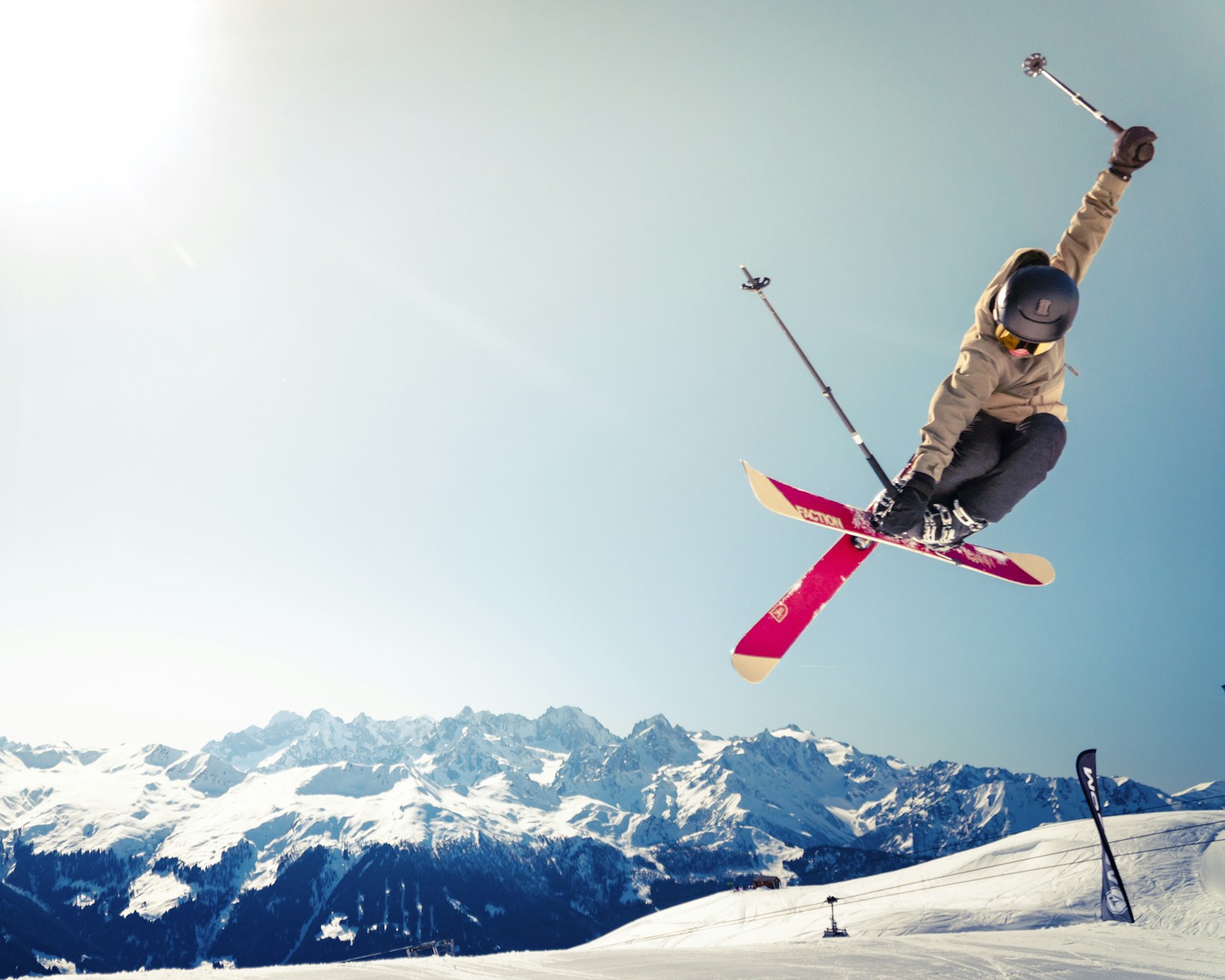
Top 10 Ski Resorts for Powder Chasers
Category: Resort Rankings | Reading Time: 10 min | Tags: powder, snowfall, rankings, resort-guide
Let's settle this with data.
Everyone has opinions about where the best powder is. And most of those opinions come from people who went to one resort once, had a 14-inch day, and now won't shut up about it. We pulled actual average annual snowfall numbers, looked at snow density, storm frequency, and terrain that lets you actually SKI the powder instead of just surviving it.
Here's our top 10. Fight us.
1. Alta, Utah -- 547" Average Annual Snowfall
Not even close. Alta sits in Little Cottonwood Canyon and catches everything that comes off the Pacific. 547 inches. That's over 45 feet of snow a year. But it's not just quantity -- Utah powder runs about 8.5% water content versus 12% in Colorado and 15%+ on the coast. It's the lightest, driest snow you'll ever ski.
547"
Average Annual Snowfall — Alta, UT
And Alta's terrain is built for it. Steep open bowls, natural chutes, and no snowboarders to track it out before 10 AM. Yeah, we said it.
Alta
No snowboarders. No nonsense. 547 inches of the lightest snow you'll ever ski.
Avg Snowfall
547"
Snow Density
~8%
Founded
1939
Skiable Acres
2,614
Alta vs Jackson Hole
Base Depth
24h Snowfall
48h Snowfall
7-Day Snow
Lifts Open
2. Mt. Baker, Washington -- 641" Average Annual Snowfall
Baker gets MORE snow than Alta. Way more. So why is it number two? Because Baker snow is wet. Heavy. Cement-like on bad days. The 641-inch average is absurd -- they hold the single-season record at 1,140 inches in 1998-99 -- but you're skiing 15-18% water content here. Your quads will know.
Still. When Baker gets cold storms? Game over. And the terrain is gnarly in the best way.
3. Jackson Hole, Wyoming -- 459" Average Annual Snowfall
Jackson doesn't get the most snow but it gets the most USEFUL snow. 459 inches of cold, dry Teton powder falling on 2,500 acres of steep, sustained pitch. When it dumps here, every run becomes a powder run because everything is steep enough for the snow to actually ski well. No flat cat tracks where powder just means slower going.
Corbet's in a foot of fresh is a religious experience. If you survive it.
4. Whistler Blackcomb, British Columbia -- 461" Average Annual Snowfall
Eight thousand acres to spread out on. 461 inches of snow. Sure, it's coastal -- wetter and heavier than the Rockies. But the volume and the terrain more than make up for it. The alpine bowls above treeline hold cold snow better than you'd expect, and when Whistler gets a cold northerly storm, the snow quality rivals anything in the interior.
Plus you have more terrain options than any other resort on the continent. Powder day here means you can still find untracked at 2 PM.
5. Mammoth Mountain, California -- 400" Average Annual Snowfall
Built on a volcano. Catches Pacific storms like a catcher's mitt. 400 inches in a normal year and Mammoth has zero chill when it comes to big snow seasons -- 2022-23 dumped over 700 inches and they stayed open until August. AUGUST.
The snow can be Sierra cement in warm storms, but elevation helps. The summit at 11,053 feet keeps things cold. And when Mammoth gets back-to-back cold storms? The skiing is stupid good.
6. Snowbird, Utah -- 500" Average Annual Snowfall
Alta's neighbor. Same canyon, same insane snowfall, slightly different vibe. Snowbird gets about 500 inches and it's the same feather-light Utah powder. The difference? Snowbird has the tram. The 125-person aerial tramway shoots you to 11,000 feet in under 10 minutes and suddenly you're standing above 2,500 vertical feet of untracked.
Mineral Basin after a storm is one of the best powder experiences in North America. Period.
7. Grand Targhee, Wyoming -- 500" Average Annual Snowfall
The OTHER side of the Tetons. Grand Targhee gets 500 inches a year and nobody's there to ski it. That's not a joke -- the resort averages something like 300,000 skier visits versus Jackson's 600,000+. Same snowfall zone, half the crowd.
The terrain isn't as steep as Jackson but it doesn't need to be. Consistent pitch, open bowls, and powder that lasts for DAYS because nobody's tracking it out. It's the powder chaser's secret that somehow is still a secret.
8. Big Sky, Montana -- 400" Average Annual Snowfall
Four hundred inches and 5,800 acres. Do the math on skier density and you'll understand why powder lasts until afternoon here. Big Sky's biggest advantage isn't snowfall -- it's that nobody's there relative to the terrain. Lone Mountain's north face holds cold snow all season and the lack of crowds means you're making first tracks at 11 AM on a powder day.
That never happens at Vail.
9. Fernie, British Columbia -- 444" Average Annual Snowfall
Fernie flies under the radar because it's in southeastern BC and Americans can't find it on a map. Their loss. 444 inches of annual snow on steep, tightly spaced alpine bowls that hold powder like a bank vault. Five alpine bowls above treeline plus incredible tree skiing below. And lift tickets cost about half of what you'd pay at a major US resort.
The Canadian dollar helps too.
10. Revelstoke, British Columbia -- 354" Average Annual Snowfall
Revelstoke doesn't top snowfall charts but it has the most vertical in North America -- 5,620 feet. That's relevant because more vertical means more terrain surface area for the snow to cover. And the Selkirk Mountains create their own weather. When it snows here, it doesn't stop.
The combination of massive vertical, consistent snowfall, and genuinely challenging terrain makes Revi a powder chaser's dream. And the cat skiing and heli-skiing out the back? That's a whole other article.
The Bottom Line
If all you care about is snow quantity, go to Baker. If you want the best snow QUALITY, go to Alta. If you want quantity AND quality AND terrain that actually maximizes powder skiing, the answer is still Alta. We're biased. We don't care.
But honestly? The best powder resort is the one that's getting snow when you have the day off. Check the forecast. Book the flight. Go.
Data sourced from resort-reported averages and historical snowfall records. Your mileage (and snow totals) will vary. That's weather for you.
Related Resorts
Revelstoke Mountain Resort
5,620 feet of vertical. The most of any resort in North America. Not even close.
Alyeska Resort
60 miles from Anchorage, 4,000 feet of vertical, and bears on the golf course in summer.
Lake Louise Ski Resort
Postcard views of a frozen turquoise lake, 4,200 acres of terrain, and grizzlies that outrank the patrollers.
Big White Ski Resort
The Okanagan snowbelt dumps 750cm on a mountain that's somehow still underrated.