Australia Got Its Rescue Storm. Holiday Travelers Are Still Voting With Their Feet.
The snow finally arrived for Perisher and Thredbo. But July school holidays are exposing the harder question: can a late storm rebuild trust fast enough?
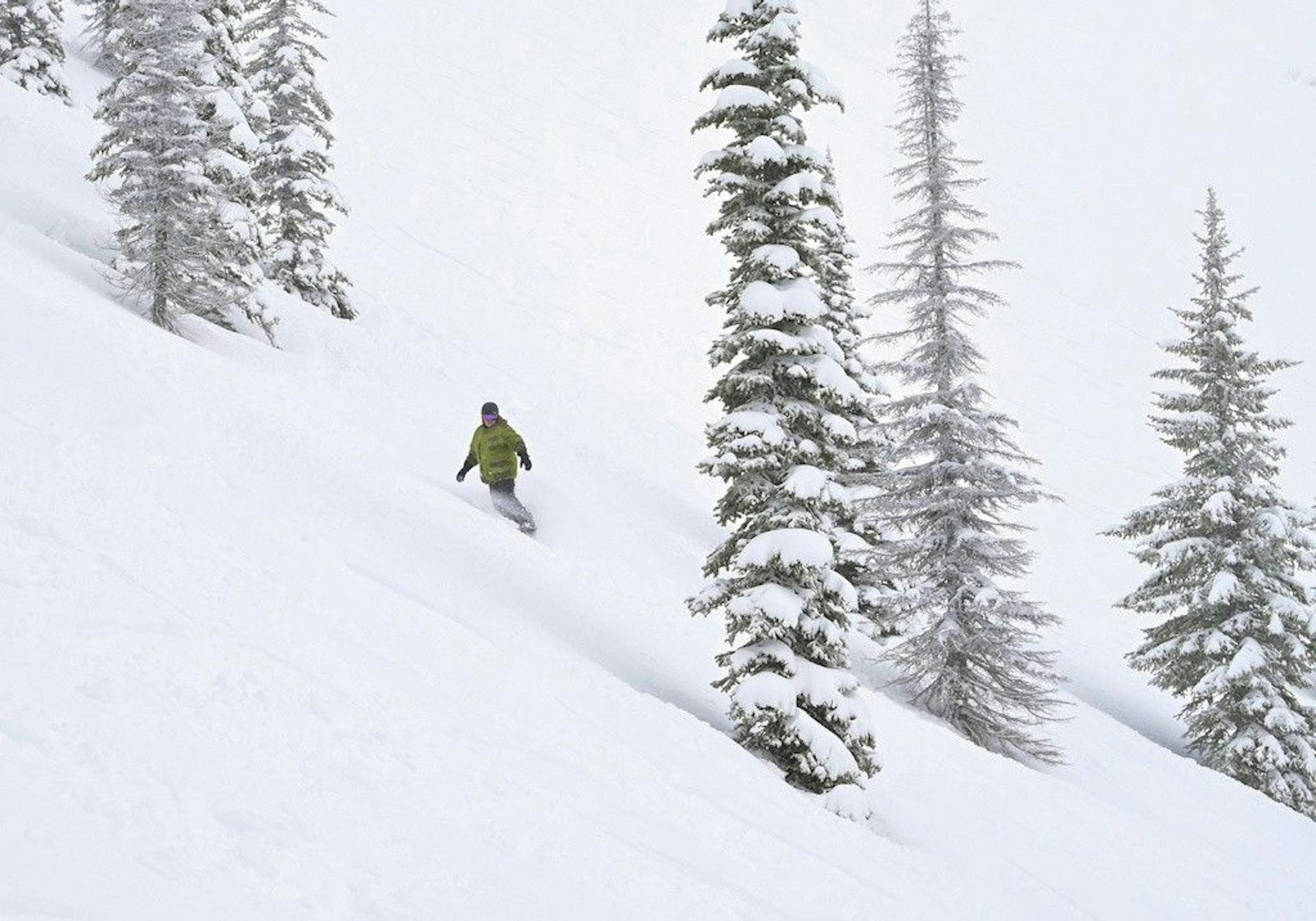
Australia got the storm.
That was the first test.
The second test is harder: did it arrive early enough for people to believe in the ski holiday they already paid for?
This week, the answer is messy.
Perisher's official report late Friday listed 34.3cm of current depth after last week's rescue storm, with the resort's news feed still talking up the post-storm expansion that brought Village 8, Quad Express, and more terrain into the mix. Thredbo's July 10 report had Upper Supertrail open from the base via Kosciuszko Chairlift, with downloading required at Bunny Walk Mid Station for the return to village level, and the resort working toward more terrain with weekend snowfall in the forecast.
That is real progress.
It is also not the same as a normal July.
ABC News reported this week that Australia's ski fields had one of their worst-ever starts, with snow depth at Spencers Creek sitting at zero until July 7 apart from a 14cm early-June reading. The same piece noted 2026's start coincided with the warmest June in 59 years for some alpine regions.
And now the travel market is saying the quiet part out loud. The Australian reported today that Australia's weak snow start has helped push some holidaymakers toward beach markets like Noosa and the Gold Coast, with limited lifts, cancellations, and long queues part of the snow-side headache.
That is the real Friday story.
The snow came back.
Some travelers had already started looking elsewhere.
34.3cm
Perisher current depth
July 7
Spencers Creek finally hit 35cm
9+
Thredbo ski lifts/runners listed July 10
59 years
Warmest June context in alpine regions
A Storm Can Save Conditions Faster Than Confidence
Snow is physical.
Confidence is behavioral.
That sounds annoyingly neat, but it is the whole Australian season right now.
Last week's storm changed the mountain surface. It gave Perisher, Thredbo, Hotham, Falls Creek, Buller, and the smaller alpine areas actual winter to work with after a brutal lead-in. It gave snowmaking crews cold air and raw material. It made the webcams look like ski webcams again instead of evidence in a climate trial.
But a family holiday does not reset at the same speed as a snow report.
Parents booked school-holiday accommodation weeks or months ago. Beginners watched June turn brown. Travelers saw thin ribbons, rain, and lift limitations. Some held their nerve. Some waited. Some bailed. Some decided a warmer, cheaper, simpler beach trip was less risky than a ski trip held together by forecasts and snow guns.
That is why this rescue storm is so interesting.
The resorts needed snow.
The tourism economy needed certainty.
Those are not the same product.
Perisher Has the Best Rescue-Storm Argument
Perisher can make the strongest case that the storm converted into something useful.
The resort's homepage late Friday showed 0cm in the prior 24 hours but 34.3cm of current depth, which is the right kind of number after a storm week. No, it is not deep. No, it is not a healthy midwinter base by Australian standards. But compared with late June, it is a platform.
The more important signal is operational. Perisher's own July 4 update said the natural snowfall and snowguns had helped get Village 8 open, alongside Quad Express and more terrain. That is how a storm becomes a ski product: not in the snowfall headline, but in the lift lineup.
This is where Perisher has a legitimate holiday-week argument.
It can say the rescue storm did something. It can say snowmaking is compounding the benefit. It can point to more lifts and more terrain than the sad June product. For skiers who are already in Jindabyne, that matters.
But the travel-market damage is not irrational.
A 34cm base after a warm June is still fragile. School holidays punish fragile surfaces fast. Beginner areas get hammered. Lower connections stay sensitive. Weather can turn from friend to enemy in one bad freezing-level swing.
Perisher is better than it was.
It is still asking travelers to accept early-season risk in peak-season packaging.
Thredbo Is Open, But The Fine Print Is the Product
Thredbo's July 10 report is basically a perfect document for this season.
The optimistic version: Upper Supertrail is open for skiing and snowboarding. Friday Flat and Cruiser terrain are open. The forecast has more snow showers on the board. The resort lists a healthy slate of moving parts, including Easy Does It, Wombats, Syd's, Freddie's, Merritts Gondola, Cruiser, Gunbarrel, Snowgums, and Kosciuszko for ski and snowboard operations.
That is a lot better than "one beginner patch and vibes."
The honest version: Upper Supertrail access is not simple top-to-bottom skiing yet. Thredbo says access from the base is via Kosciuszko Chairlift, with return access to top loading from Bunny Walk Mid Station on Snowgums. If you are heading back to the base, you download via Bunny Walk Mid Station. Runs below Bunny Walk Mid Station are closed.
That is not a gotcha.
That is the product.
This is the phase where skiers have to read the report like adults. "Open" is useful. "How open?" is more useful. "Can I ski back to the base?" is sometimes the most useful question of all.
Thredbo's report is doing the right thing by spelling out the operating shape. The problem is that casual holiday demand does not always read the fine print until it is standing in a lift line.
That is where frustration comes from.
Not from resorts being closed.
From resorts being technically open in a way that is materially different from what people picture when they book July.
Falls Creek Is the Warning Label
Falls Creek is the other side of the ledger.
Its public snow report page on Friday showed 0 out of 15 downhill lifts open. That may reflect timing, wind, data lag, or a genuinely limited operating window, but for a traveler the interpretation is simple: check before you drive.
That is the bigger point.
Australia's alpine story is not one uniform recovery. Perisher and Thredbo can have improving reports while another resort is constrained. Victoria can look much better after the storm and still have individual mountains dealing with lift, wind, cover, and access issues. A national "snow is back" headline can be true and too blunt at the same time.
This is where the industry gets into trouble with casual customers.
Ski people understand variability. They know a dump helps one aspect more than another. They know wind can wreck a lift plan. They know a lower-elevation run can stay unskiable while the upper mountain is fun.
Families comparing Noosa, Gold Coast, and the Snowy Mountains do not always think that way.
They hear "snow is back."
Then they ask, "Why are only some lifts open?"
That gap is the trust problem.
New Zealand Is Winning the Comparison This Week
The awkward part for Australia is that New Zealand now looks more coherent.
Not perfect. Coherent.
The Remarkables' official report lists the mountain open, 10cm in the past 48 hours, a 15-60cm snow base, 45cm of season snowfall, and 6 of 7 lifts open, with both beginner areas operating. It also tells you to stay on trail off-piste, carry chains, and expect school-holiday access management.
That is not a miracle snowpack.
It is a readable product.
Cardrona and Treble Cone now show both mountains open on their snow-report page. That matters because a week or two ago the Wanaka shorthand was still "Cardrona is carrying this thing while Treble Cone waits." Having both open changes the psychology of a trip.
The Australian resorts may still have plenty of good days ahead. But for mid-July confidence, New Zealand currently has the cleaner story: several key mountains open, reports improving, and enough terrain conversion to make the season feel less like a rescue mission.
Australia, by contrast, is still explaining the rescue.
Snowmaking Is No Longer Backup. It Is the Business Model.
ABC's snowmaking piece is the bigger industry read.
The Ben Lomond example is stark: the Tasmanian resort operated lifts for 17 days five years ago, then 60 days in 2023 and 104 days last year after snowmaking became central to the business. Its operator told ABC that snow machines turned the business around and called snowmaking an insurance policy.
That is not a niche operations note anymore.
That is the future of marginal ski seasons.
The uncomfortable part is that the insurance policy also depends on the weather. Snowmaking needs the right wet-bulb temperature. Warmer nights erode the operating window. Rain events can delete days of work. A resort can own expensive guns and still spend June waiting for the atmosphere to cooperate.
So the new Australian ski math is not:
"Did it snow?"
It is:
"Did it snow, did it stay cold enough, did the snowguns run, did grooming convert it, did the lifts open, did guests still trust the product, and did the next storm avoid arriving as rain?"
That is a mouthful.
It is also the season.
SnowRadar Take
Australia's rescue storm mattered.
It gave Perisher and Thredbo a legitimate school-holiday product after a grim June. It put natural snow back into the system. It let snowmaking and grooming crews build instead of defend. It kept the season from turning into a full-blown early-July embarrassment.
But it did not erase the damage.
The more revealing story is that travelers are now flexible enough, price-sensitive enough, and weather-aware enough to change plans when the ski product looks fragile. Some people will still ski. Some will wait for the next storm. Some will go to the beach. That is not betrayal. That is rational travel behavior.
For Australian ski resorts, the next week is less about proving that winter exists.
It exists.
The next week is about proving that winter is worth booking.
Watch SnowRadar's forecast tools, cross-check official resort reports before committing, and treat every July "snow is back" headline as the start of the question.
The storm saved the surface.
Now the resorts have to rebuild the confidence.
Related Resorts
Revelstoke Mountain Resort
5,620 feet of vertical. The most of any resort in North America. Not even close.
Alyeska Resort
60 miles from Anchorage, 4,000 feet of vertical, and bears on the golf course in summer.
Lake Louise Ski Resort
Postcard views of a frozen turquoise lake, 4,200 acres of terrain, and grizzlies that outrank the patrollers.
Big White Ski Resort
The Okanagan snowbelt dumps 750cm on a mountain that's somehow still underrated.