June 20 Is No Longer an Opening Day. It Is a Lie Detector.
Banff Sunshine is ready to reopen for summer skiing, The Remarkables just pushed to Sunday, Cardrona is trying to make Saturday work, and Australia is back in repair mode. The calendar made a promise. The snow report gets the final vote.
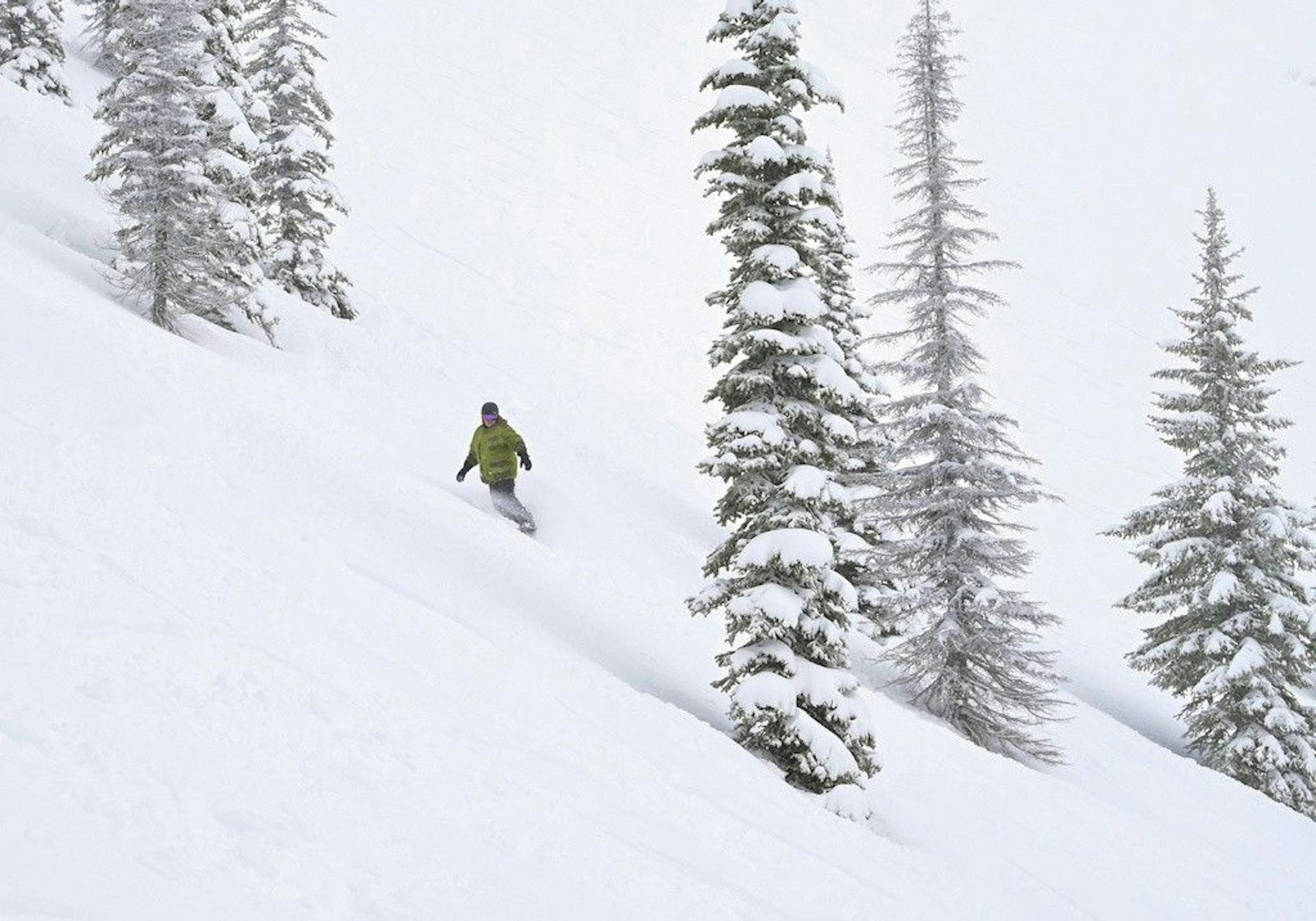
June 20 was supposed to be neat.
Banff Sunshine would reopen for summer skiing. Cardrona would finally get New Zealand's delayed winter moving. The Remarkables would join the party. Mt Hutt would get closer. Australia would keep rebuilding after a soggy, warm wobble.
One date. Two hemispheres. Clean story.
That lasted about five minutes.
Banff Sunshine is still saying yes. The resort plans to run summer skiing and riding from June 20 through July 5, with Strawberry Express and Standish Express planned as conditions allow. That is the fun, weird, very Canadian part.
The Remarkables is now saying Sunday. Its June 19 snow report lists Opening 21st June, 0 of 7 lifts open, 0-0cm snow base, and a Friday afternoon update that basically says: the weather is coming, we will make the call tomorrow.
Cardrona is still advertising Saturday, June 20, with lifts from 8:30am if the mountain can pull it off. Mountainwatch's Friday forecast is less romantic: strong northwest winds, rain, and a fledgling snowpack taking another hit before a better-looking Sunday and a colder setup next week.
So this is not an opening-weekend preview anymore.
It is a truth test.
Jun 20-Jul 5
Banff Sunshine
Jun 21
Remarkables
Jun 20?
Cardrona
Repair Mode
Australia
Banff Gets the Cleanest Weird
Banff Sunshine is the only part of this weekend that still looks like a clean headline.
That sentence is ridiculous. It is also accurate.
The resort says its 2026 summer ski season starts June 20 and runs for 16 days. The plan is Strawberry Express and Standish Express, snow permitting. Adult window tickets are listed at $80, with youth and senior tickets at $50, children 6 to 12 at $30, and kids 5 and under free. Access is included for 2026-27 Sunshine season passholders, SkiBig3 season passholders, Rocky Mountain Passport holders, and Sunshine Mountain Lodge guests.
That is not a full winter operation. It is a compact summer-skiing product. But compact is not fake.
Strawberry plus Standish is enough terrain to make the day feel like skiing, not just a marketing photo. Sunshine is also doing the smart thing by keeping summer hiking and sightseeing pushed back until July 6. For 16 days, the mountain is a ski area again.
The symbolism is bigger than the acreage.
Colorado just had a bruising season. Vail's spring pass sales took a hit. The U.S. late-season calendar emptied out fast. New Zealand is trying to get started through wind, rain, and thin cover.
Meanwhile, Alberta gets a bonus opening day on the first weekend of astronomical summer.
That is the 2026 ski season in one uncomfortable split screen.
Winter did not disappear evenly. It never does. The useful story is not "skiing is doomed" or "look, Banff is fine." Both are lazy. The useful story is that the industry is becoming more regional, more volatile, and more dependent on operational honesty.
Banff has the snow. Banff can say yes.
Most places cannot copy that.
New Zealand's Reset Just Got Messier
New Zealand was supposed to use this weekend as a reset button.
The first opening wave got punted. Mt Hutt, Cardrona, and The Remarkables all delayed after a mild, dry start. Coronet Peak kept Queenstown on the map with a limited Snow Factory-backed learner product, but that is not the same thing as the Southern Lakes being properly open.
June 20 was the new target.
Now even that target has split.
The Remarkables' Friday report is useful because it is blunt. The mountain status is Opening 21st June. The base is listed at 0-0cm. No lifts are open. The resort says it is still hoping for Sunday and will make a decision Saturday afternoon after the incoming weather.
That is not spin. That is a mountain telling you the calendar is not in charge.
Cardrona is the more awkward case. Its opening-day event page still says Saturday, June 20, with lifts from 8:30am, music, apres, and the whole Welcome to Winter package. Maybe it works. Maybe it becomes a very weather-dependent version of opening day. Either way, the event page tells skiers what the resort wants to do. The forecast tells skiers what might interrupt it.
Mountainwatch's Friday New Zealand forecast says the South Island got some real help earlier in the week: 5-15cm in Canterbury and a few centimeters in the Southern Lakes, plus good snowmaking windows. Then Friday and Saturday arrive with the bad kind of weather. Warm. Windy. Wet. Rough on the thin new snowpack.
The better signal is after the front.
Sunday looks calmer for the Southern Lakes. Monday and Tuesday bring cold nights for snowmaking. Next week has the more interesting snow setup, with Mountainwatch watching a Tasman storm between June 24 and June 27 that could bring either a shot of snow or something larger, especially for Canterbury and Ruapehu.
That means New Zealand's real opening story may not be June 20 at all.
It may be June 24-27.
Australia Is Also Repairing the Base
Australia had the better first headline earlier this month.
Fresh snow before opening weekend. Resorts turning lifts. Photos that made the Southern Hemisphere handoff look cleaner than it actually was.
Then the warm, humid air showed up.
Mountainwatch's Australian forecast on Friday says the last few days were rough on an already struggling snowpack, with rain on Thursday. The good news is cooler air, snow about the tops Friday and Saturday, and better snowmaking conditions next week. The less good news is that this is repair work, not a powder reset.
That distinction matters.
Early-season Australia can look alive and fragile at the same time. A few centimeters up high helps. Cold nights help more. Snowmaking windows matter more than pretty webcam screenshots. If you are booking around the school-holiday ramp, terrain count and surface quality matter more than the word "open."
Australia is not failing because it needs snowmaking. Australia has always needed snowmaking.
The problem is when the gaps between good windows get warmer, wetter, and more expensive to manage.
That is why this weekend feels less like a launch and more like a maintenance period. Resorts need to rebuild the product before the next demand spike. Skiers need to read the fine print.
Open Is Not a Condition
This is the sentence every skier should tape to their dashboard:
Open is not a condition.
It is a status flag.
Coronet Peak is open, but the useful details are what is actually available. The Remarkables is not open yet, but Sunday could become a limited start. Cardrona might open Saturday, but the question is terrain. Banff Sunshine is reopening, but it is a defined summer-skiing product, not a full winter repeat. Australia is open in places, but rebuilding surface quality after rain is the real job.
The old internet trained skiers to look for green dots.
Open. Closed. Delayed.
That is not enough anymore.
The better checklist is:
- Which lifts are actually spinning?
- Is it beginner terrain, groomers, terrain park, or meaningful upper mountain?
- How much of the snow is natural, machine-made, or manufactured all-weather snow?
- Did rain hit the surface in the last 48 hours?
- Are roads, wind, and visibility likely to shut the thing down anyway?
- Does the forecast improve after opening day?
That last one is the sneaky one.
Sometimes the best ski decision is not the first day a resort opens. It is the second or third cold night after it opens. It is the day after snowmaking finally gets a proper window. It is the Sunday after the Saturday storm. It is the week after the marketing date.
This weekend is full of those traps.
The Calendar Needs Footnotes Now
The ski industry will always sell dates because dates are simple.
Opening day. Closing day. Pass deadline. Holiday week. Long weekend.
Dates help staff a mountain, sell lodging, schedule events, and make the season feel real. They are not useless.
They are just incomplete.
June 20 is a perfect example. On paper, it is enormous. Banff reopens. Cardrona opens. New Zealand tries again. Australia gets a cooler weekend. Northern Hemisphere leftovers and Southern Hemisphere winter overlap in a way that feels almost poetic if you do not look too closely.
Look closely and the date turns into four different stories:
- Banff has enough snow to sell a rare summer-skiing encore.
- The Remarkables is waiting until Sunday and still needs Saturday's weather to behave.
- Cardrona is trying to open into a messy forecast.
- Australia is trying to patch a thin product before school-holiday pressure builds.
Same weekend. Different realities.
That is not a failure of the calendar.
It is a failure of treating the calendar like data.
SnowRadar Take
June 20 is still the weekend to watch.
It is just not the clean reset it pretended to be.
Banff Sunshine gets the best headline because it has the rarest product: actual lift-served summer skiing in Banff National Park with a defined 16-day window. The Remarkables gets the most honest update because it moved the target and showed the thin numbers. Cardrona gets the biggest operational question mark because the event is still scheduled while the weather is making noise. Australia gets the least glamorous but maybe most important task: rebuild, refreeze, and survive the next warm interruption.
That is the modern ski calendar.
Less promise. More verification.
If you are chasing turns this weekend, stop asking who is open.
Ask what open means.
Tracking the messy handoff? Keep Southern Hemisphere Ski Watch, Ski This Week, and the SnowRadar forecast open. Dates are useful. Conditions are the receipt.