New Zealand's Opening Weekend Just Got Punted
The Southern Hemisphere handoff was supposed to get cleaner this weekend. Instead, Mt Hutt, Cardrona, and The Remarkables all delayed, and Coronet Peak is carrying the week on Snow Factory beginner laps.
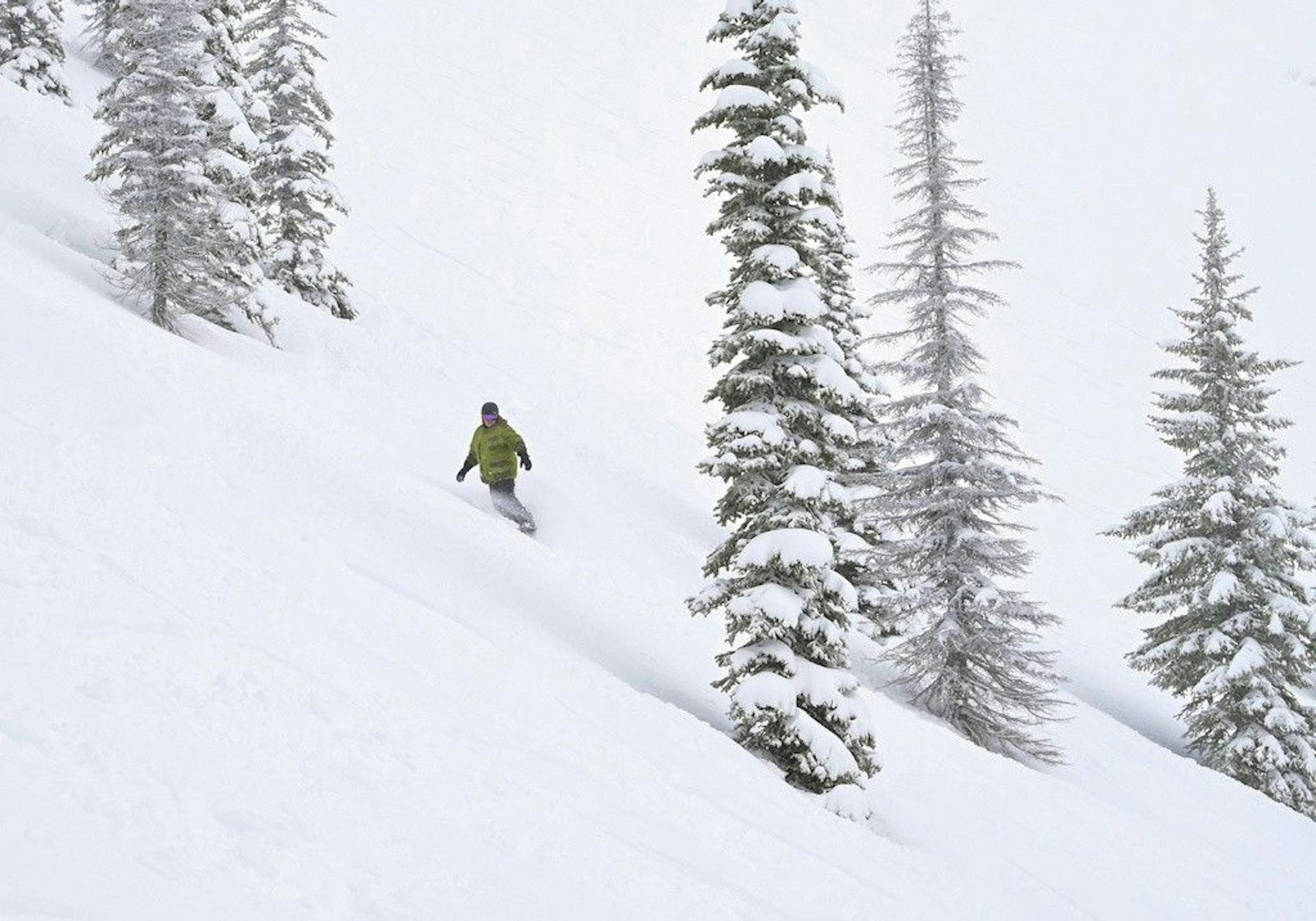
Winter crossed the equator this week.
Then it immediately hit a scheduling problem.
The first proper New Zealand opening wave was supposed to land June 12-13: Mt Hutt on Friday, then Cardrona and The Remarkables on Saturday, with Coronet Peak moving from its early Snow Factory product into broader winter operations.
That is not what happened.
Snow-Forecast's Whiteroom reported Thursday that New Zealand's 2026 ski season proper would not kick off as planned, after three major ski areas announced delays following a dry, mild lead-in. The official resort reports back that up: The Remarkables is now targeting June 20, Mt Hutt says its best guess is a 7-10 day delay, and Cardrona has pushed opening day to June 20.
So yes, the Southern Hemisphere season is underway.
But the handoff is messier than the calendar made it look.
The Opening Date Was the Wrong Signal
This is the exact trap early-season skiing sets every year.
Opening dates feel clean. They are easy to put in a calendar, easy to build travel plans around, and easy for websites like this one to track. But they are not snowpack. They are intent.
The mountain still gets a vote.
New Zealand had promising pre-season snow in late April, enough for the country to start generating real winter noise. Then May went mostly dry and mild. That is how you get to June 12 with resorts trained, staffed, marketed, and ready to go, while the actual ski surface is not ready to act the part.
The Remarkables' report is blunt enough: last seven days, 0cm. Snow base, 0-0cm. Lift status, 0 of 7 open. The mountain says it made some progress with snowmaking, but not enough to open, so the new target is Saturday, June 20.
Mt Hutt is in the same basic place. The resort had been the Friday opener on the watchlist. Now it says opening is delayed and its "best guess" is 7-10 days, depending on how the weather window behaves.
Cardrona is also moving to June 20, which makes next Saturday the new checkpoint for a lot of the South Island.
That does not mean the season is doomed. It means the opening-date signal failed.
The better signal is colder air, snowmaking hours, and whether the next storm cycle can build base instead of just putting white frosting on rocks.
Coronet Peak Is Open, But Be Honest About What That Means
Coronet Peak is the exception, sort of.
Its snow report has the mountain status listed as open, with 3 of 8 lifts spinning and 2 of 4 beginner areas open. It also reports a 0-0cm snow base and 0cm of season snowfall.
That sounds contradictory until you remember what Coronet built.
The resort's new Snow Factory allowed it to start early-winter operations from May 29 through June 12: beginner laps, snow play, sightseeing, conveyor lifts, and a controlled product that does not require the whole mountain to be winter yet. From June 13, Coronet says it will extend hours and try to expand the learner area.
That is clever operations.
It is not the same as saying Queenstown is firing.
Coronet deserves credit for creating a real early-season product when natural snow is missing. Families, first-timers, lessons, sightseeing guests, and local hype all benefit from that. It also gives Queenstown something to sell while the bigger terrain waits.
But for skiers watching from North America, do not confuse "open" with "worth crossing the Pacific for."
The honest read is this: Coronet is carrying the start of New Zealand winter on manufactured beginner snow while the rest of the first wave waits for actual weather.
That is not a failure. It is the modern June ski business in one sentence.
Australia Got the Better First Week
This is where the hemispheric contrast gets interesting.
Australia opened first and got the cleaner headline. Perisher, Thredbo, Falls Creek, Hotham, Buller, and others had enough early snow and snowmaking support to make opening weekend feel like a real start, even if terrain was still limited.
New Zealand had the better calendar story.
Australia had the better snow story.
That matters because we just came out of a North American winter where the old assumptions got hammered. Colorado posted a 24% skier-visit collapse. Vail's spring Epic Pass units are down 10%. Banff Sunshine is reopening June 20 because it has too much snow for hiking. Mammoth ended. Timberline keeps doing summer Timberline things. Now New Zealand, the next big winter handoff, is telling everyone to wait another week.
The pattern is not "winter is dead."
The pattern is that winter is uneven and annoying.
One region opens on fresh snow. Another region delays with a 0cm base. One resort can manufacture a beginner experience. Another needs a storm. One country gets the first real operating week. The other gets the better long-term forecast hope.
That is why Southern Hemisphere watch coverage needs more than opening dates. It needs terrain, snowmaking windows, freezing levels, and enough humility to revise the story when the mountain changes the plan.
Next Week Is the Real Test
The good news is that this does not look like an indefinite stall.
The same Snow-Forecast report notes colder weather moving in next week, with natural snow chances and lower temperatures for snowmaking. Mt Hutt's 7-10 day delay language also points to a short reset, not a month-long problem. The Remarkables and Cardrona both moving to June 20 creates a clean new target.
So the watchlist changes:
- Coronet Peak: limited operations now, with learner-area expansion as snowmaking allows
- The Remarkables: delayed to June 20, currently 0 of 7 lifts open
- Cardrona: delayed to June 20
- Mt Hutt: delayed from June 12, best guess 7-10 days
- Treble Cone: still a later-June story, with June 27 the bigger checkpoint
If next week brings cold nights and enough natural snow, this delay becomes a footnote. The season starts a week late, the base gets built, and everyone moves on.
If next week underdelivers, then the story gets sharper.
Because Queenstown and Wanaka are not just local winter markets. They are global ski-travel brands. They sell the idea that Northern Hemisphere skiers can keep chasing winter when June gets weird. That pitch still works, but only if people understand the timing risk.
Early June is not August.
This Is a Travel Planning Lesson
The practical lesson is boring, which usually means it is useful:
Do not book Southern Hemisphere skiing off scheduled opening dates alone.
Book off:
- Actual open terrain
- Lift status
- Recent snowfall
- Snowmaking temperatures
- Freezing levels
- Refund and flexibility rules
- Whether your target terrain is beginner snow, groomers, park, or off-piste
That last point matters. If you are a first-time skier in Queenstown, Coronet's Snow Factory-backed learner product might be genuinely useful. If you are chasing steep terrain, this is not your week. If you are planning a late-June trip, you are watching whether June 20 becomes real. If you are planning August, this story is just an early-season reminder to stay flexible.
Skiers love certainty.
Mountains mostly offer probabilities.
SnowRadar exists in that gap.
SnowRadar Take
Monday's story was that winter had crossed the equator.
Friday's correction is that winter did not bring enough luggage.
Australia got the first cleaner opening. New Zealand gets the first reality check. Coronet Peak is open in a limited, snowmaking-backed way. The Remarkables, Cardrona, and Mt Hutt need another week or so. Treble Cone was always later. The real South Island season now points toward June 20, not June 13.
That is not a catastrophe.
It is a useful warning.
The ski calendar is becoming less like a switch and more like a dimmer. Resorts can turn on small products earlier with all-weather snowmaking. They can delay bigger terrain when natural snow is missing. They can sell winter before the full mountain is actually ready. Sometimes that is smart. Sometimes it is confusing. Usually it is both.
For skiers, the move is simple: stop treating opening day as proof.
Treat it as a forecast that needs verification.
Planning the next winter handoff? Keep Southern Hemisphere Ski Watch, Ski This Week, and the SnowRadar forecast open. June is not over. It just got less tidy.