The Southern Hemisphere Finally Has a Scoreboard. It Is Not Snowfall.
Australia's rescue storm made winter visible again. New Zealand's delayed start is improving. But the number that matters now is terrain.
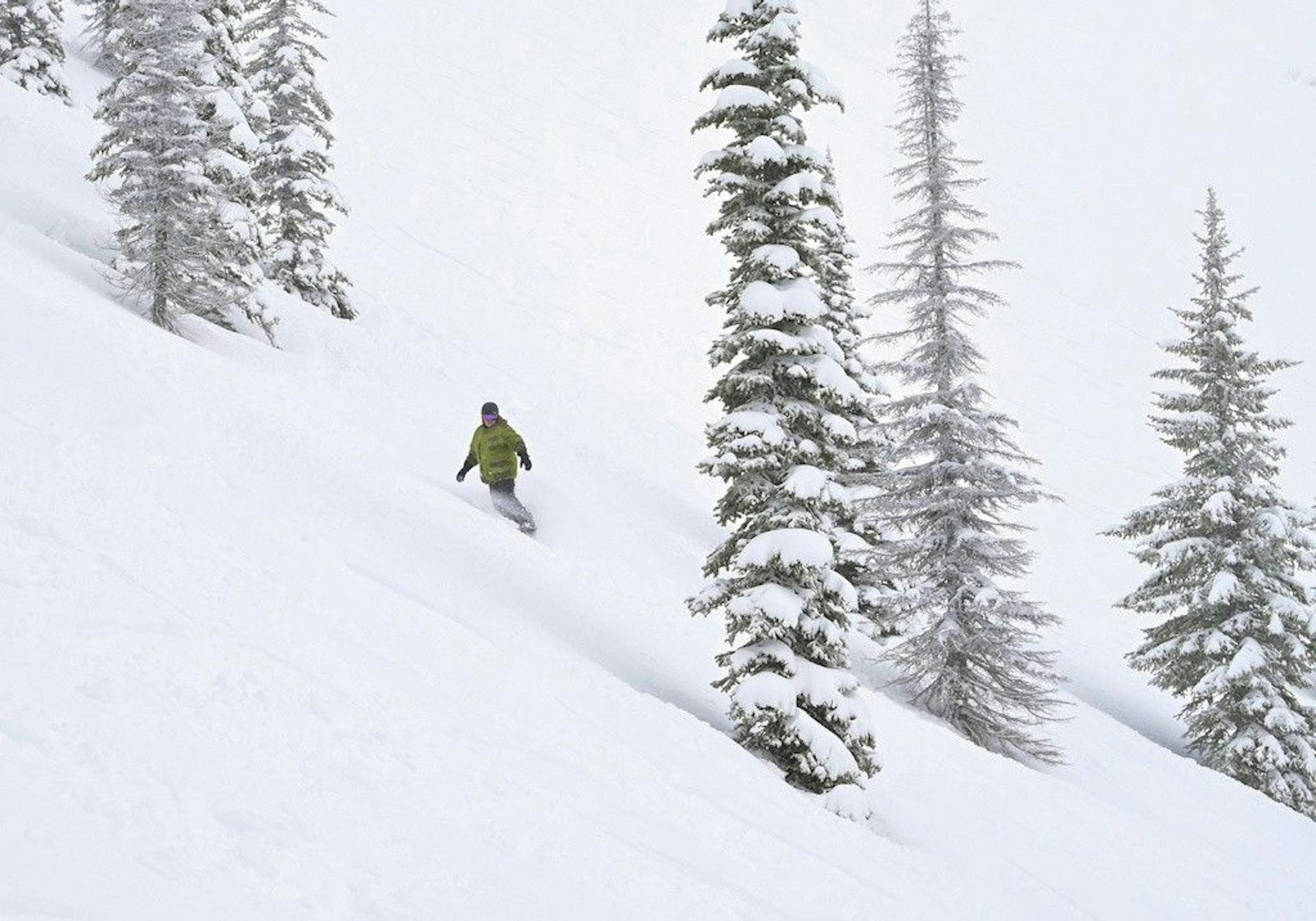
The Southern Hemisphere ski season has finally moved past the webcam stage.
That is the good news.
The harder news is that snow totals are no longer the useful scoreboard.
Australia already got the cathartic headline. After a warm, rain-hit June, a July storm dropped enough snow across New South Wales and Victoria to make the resorts look like ski resorts again. The Guardian reported up to roughly 30cm in parts of the alpine zone, while ABC News framed it as a badly needed break after one of Australia's ugliest starts in decades.
New Zealand has its own version of the same story. The opening delays are not the whole plot anymore. Cardrona is operating. The Remarkables has meaningful lift count. Mt Hutt has had a storm window. Treble Cone remains the warning label.
So the midweek question is simple.
What did all that weather actually buy?
34.2cm
Perisher current depth
6 / 7
Remarkables lifts open
15-60cm
Remarkables snow base
Open / Closed
Cardrona / Treble Cone
Snowfall Was the Receipt. Terrain Is the Product.
Early-season snow coverage creates a dangerous little illusion.
A mountain can look fixed before it skis fixed.
That is especially true after a rescue storm. Fresh snow covers the grass, buries the awkward brown strips, and lets everyone exhale. It also has to land on something. If the base underneath is thin, wet, wind-hammered, or only partly made by snowguns, a lot of that new snow gets spent on repairs before it becomes usable terrain.
That is why the story changed this week.
Last Friday's useful number was storm total. This Wednesday's useful number is conversion: how many lifts, how many runs, how much beginner capacity, how many upper-mountain zones, how much lower-mountain access, and how much road/weather friction.
The difference matters for anyone actually traveling.
A resort with 30cm of new snow and two crowded ribbons is not the same product as a resort with 15cm of new snow and enough open terrain to spread people out. The first one photographs better. The second one skis better.
That is the whole Southern Hemisphere season right now.
Pretty snow is back.
Useful skiing is still being earned.
Perisher Is the Cleanest Australia Test Case
Perisher is the best Australian example because it moved from weather headline to operating response fast.
Its official snow report on July 8 listed 34.2cm of current natural depth, with the roads open to Perisher, Guthega Village, and Bullocks Flat/Skitube. More importantly, the resort's own update said Leichhardt Chair at Perisher and Captain Cook J-Bar at Smiggin Holes had been added to the lift lineup, and a July 4 news item said the Village 8 and Quad Express were opening with more lifts and terrain after the storm and snowmaking push.
That is the scoreboard.
Not "Perisher got snow."
"Perisher turned the snow into more places to ski."
It still does not mean the season is normal. A 34cm depth in early July after a warm June is not a deep base. It is a platform. But a platform is exactly what Australia needed. The storm gave Perisher enough material for Mountain Ops to start compounding snowmaking, grooming, and traffic management into something that can handle school holidays better than a couple of defensive beginner zones.
That is a real improvement.
It is also fragile.
The next Perisher numbers to watch are not the next one-day snowfall total. Watch expected lifts, resort areas open, and whether the daily report keeps adding language about terrain expansion instead of just thanking everyone for their patience.
That is how you know the storm is still paying rent.
Australia Still Needs Sequence
The main trap is treating a rescue storm like a season reset.
It is not.
Mountainwatch's Australian forecast had the shape Australia needed: snow first, then colder and clearer windows for snowmaking, then another possible storm signal around July 12-13. That sequence matters more than one dramatic day.
One storm makes the webcams honest.
A sequence builds a ski season.
Australia's June problem was not only "not enough snow." It was warm air, rain, wind, and bad freezing levels. That kind of damage does not disappear because the upper mountain got a pretty layer. Lower slopes still need help. Beginner zones still take the heaviest beating. Groomers still need enough depth to push snow around without scraping into the old wound.
So the right read on Australia is skeptical optimism.
Perisher and Thredbo have a path. Hotham and Falls Creek have a better story than they had a week ago. Buller and the smaller areas can work with a colder pattern. But school holidays are now spending the storm dividend in real time.
If the July 12-13 signal turns into another cold snow event, the conversation changes again.
If it turns warm, wet, or windy, the season goes back on defense fast.
The Remarkables Looks Like Progress With Fine Print
New Zealand's cleanest midweek number is at The Remarkables.
The official July 8 report showed the mountain open, 4cm of recent snow, a 15-60cm snow base, 36cm of season snowfall, and 6 of 7 lifts open. That is not symbolic anymore. That is a functioning early-season mountain.
The fine print is exactly why this is still interesting.
The same report listed chains required for all vehicles from 4km at Windy Point and no campervans. It also showed a split terrain picture: beginner areas open, lifts mostly running, but large pieces of advanced, expert, and off-piste terrain still closed or heavily qualified.
That is not a contradiction.
That is what a young snowpack looks like when a resort is being honest.
The Remarkables has moved beyond "will it open?" and into "what kind of mountain is actually open?" Six of seven lifts is a strong number. A 15-60cm base is still an early-season number. Both can be true.
This is the phase where the terrain mix matters more than the lift count alone.
Open conveyors and groomed intermediate lanes make a family ski day possible. Closed expert terrain tells advanced skiers the mountain is not fully itself yet. Chains from 4km tell everyone that access is part of the ski product, not a side note.
The Remarkables is in better shape than it was two weeks ago.
It is not done proving anything.
Cardrona Is the Safe Bet. Treble Cone Is the Reality Check.
The Cardrona-Treble Cone split remains the most useful New Zealand shorthand.
Same operator. Same broad Wanaka trip. Different readiness.
The shared Cardrona and Treble Cone snow report now lists Cardrona as open and Treble Cone as closed in the mountain status block. That is the story without needing much decoration.
Cardrona can survive early-season weirdness better. It has a more forgiving layout, a stronger beginner/intermediate operating model, and more ways to make a limited product feel coherent. It does not need the same natural base profile Treble Cone needs to make its best skiing worthwhile.
Treble Cone is different.
Its identity is bigger, steeper, more natural, and less forgiving. That is exactly why a delayed or conservative opening is not automatically bad news. Rushing Treble Cone into a thin July product would be a worse look than staying closed until the mountain makes sense.
So the correct travel read is not "Wanaka is open."
It is "Cardrona is carrying Wanaka early; Treble Cone is still waiting for the season to grow teeth."
That matters for trip planning.
It also matters for how we talk about ski seasons now. Open/closed is too blunt. A mountain can be open but limited, closed but sensible, or operating well for beginners while still useless for the skiers who booked it for the big terrain.
That nuance is not annoying.
It is the product.
Mt Hutt Is the Upside Watch
Canterbury remains the higher-upside part of the New Zealand map.
The previous forecast window pointed more energy toward Mt Hutt and the Craigieburn Range than the Southern Lakes, with Mountainwatch calling out the chance for a much bigger Canterbury storm cycle than the Queenstown/Wanaka mountains.
That is why Mt Hutt is still the place to watch.
Not because every forecast perfectly verified. Not because the web report is always easy to parse. Because the terrain math is different if Canterbury keeps stacking snow while the Southern Lakes grind through incremental expansion.
Mt Hutt can become the anchor quickly when it gets real cover. The club fields can flip from waiting room to cult classic in one good cycle. But the same early-season rules apply: wind, access, road restrictions, and base quality decide whether forecast snow becomes skiable terrain.
That is the Canterbury gamble.
Big upside. Big exposure. Less tolerance for pretending the access story is separate from the skiing.
The New Scoreboard
For the next week, here is the useful Southern Hemisphere checklist.
Do not start with snowfall.
Start with terrain.
How many lifts are open? Which lifts? Are the lifts beginner conveyors, core chairs, or upper-mountain terrain unlocks? How many trails are actually open? Are advanced and off-piste zones still closed? Are chains required? Are roads clean? Are resorts adding terrain, holding terrain, or quietly apologizing for conditions?
That is the scoreboard.
Snowfall still matters, obviously. But after a bad start, snowfall is only the ingredient. It has to survive traffic, grooming, wind, rain, and temperature. It has to become capacity.
The ski industry loves announcing the ingredient.
Skiers experience the capacity.
SnowRadar Take
The Southern Hemisphere season is finally interesting for the right reason.
Not because everyone is panicking about opening delays.
Because there is now enough snow on the ground to judge the operating product.
Australia's rescue storm worked. It bought Perisher, Thredbo, Hotham, Falls Creek, Buller, and the rest of the alpine zone a real chance to build through school holidays. New Zealand is improving too, with The Remarkables now showing real lift count and Cardrona doing the pragmatic early-season work while Treble Cone waits.
But the season has not earned a victory lap.
The better phrase is: under review.
The next seven days are not about whether it can snow in July. We know it can. They are about whether resorts can turn that snow into enough terrain to make winter feel operational instead of cosmetic.
Snowfall got the Southern Hemisphere out of the ditch.
Terrain decides whether it stays out.
Use SnowRadar's forecast tools, check the Southern Hemisphere Ski Watch, and keep treating every "open" label like the start of a question.