The Storm Worked. Now the Lifts Have to Prove It.
Perisher just jumped to lifts in all four resort areas, The Remarkables has 7 of 7 spinning, and Thredbo is showing the fine print. The mid-July scoreboard is no longer snowfall. It is conversion.
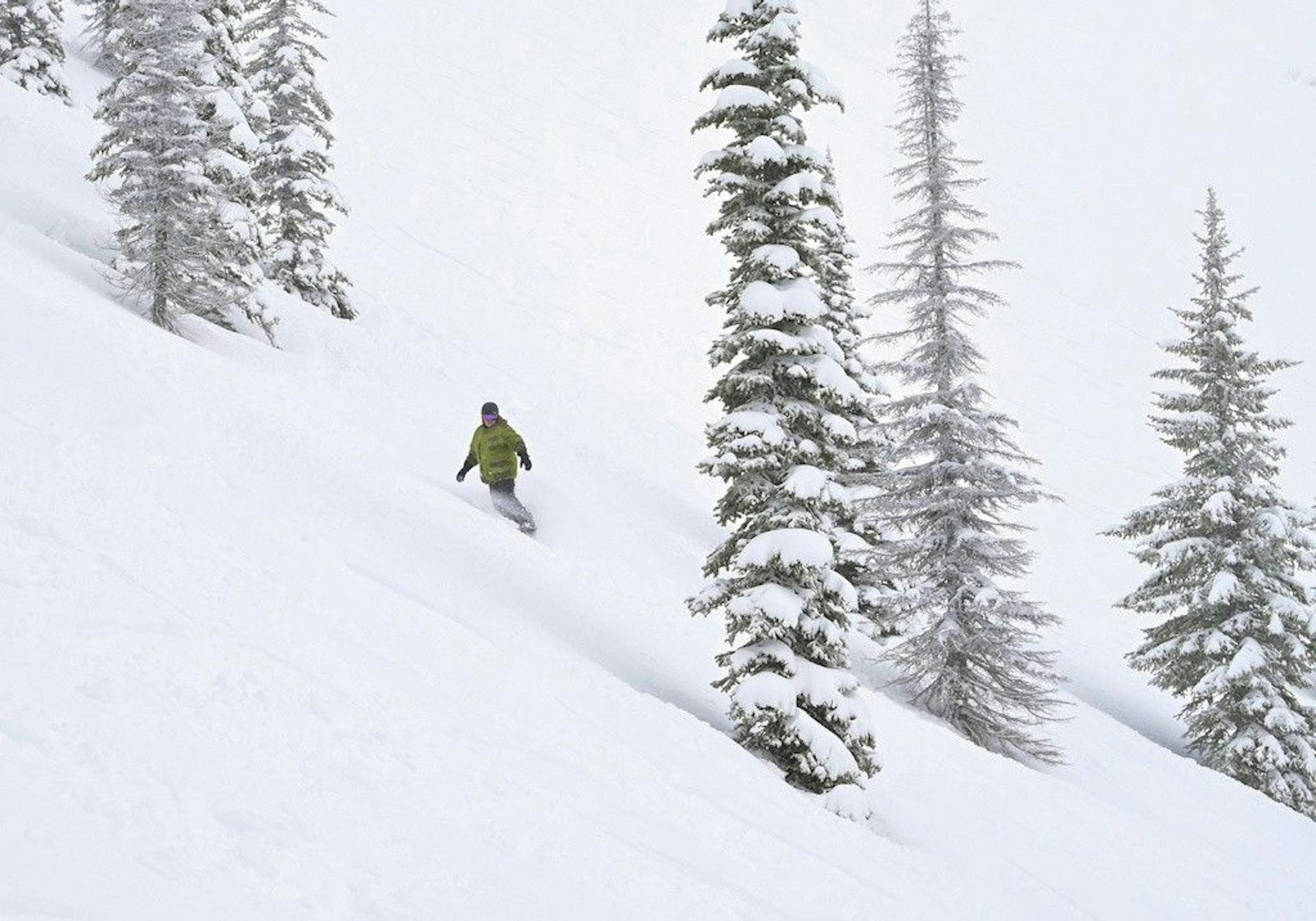
The storm finally did its job.
That does not mean the resorts are done.
It means the question changed.
For the past month, Southern Hemisphere coverage has been stuck on the same basic problem: will it snow enough to make the season feel real? After the latest July cycle, the better question is sharper and more useful:
Can resorts turn storm snow into skiable, repeatable, believable terrain?
That is the mid-July scoreboard.
Perisher's July 15 report says another 5cm fell overnight, taking the storm total to 33cm and holding natural depth at 53.4cm. The bigger operational shift came later in the report: 26 expected lifts, 21 groomed runs, 219 snowguns, and open resort areas listed across Perisher Valley, Smiggin Holes, and Blue Cow, with Guthega showing lift activity on the detailed report.
Perisher's news page put the cleaner headline on it: lifts in all four resort areas open as the storm cleared for a bluebird day.
That is the first real conversion signal of Australia's season.
Across the Tasman, The Remarkables is now reporting 20cm in 48 hours, a 15-60cm groomed-trail base, 73cm of season snowfall, 7 of 7 lifts open, and both beginner areas open. Mountainwatch's July 15 Queenstown/Wanaka report says recent snowfalls have led to more lifts and terrain open, with cold temperatures maintaining a quality dry snowpack and more snow possible this weekend.
So yes.
The season looks better than it did two weeks ago.
But this is where lazy coverage gets dangerous. "Snow is back" is true. It is also incomplete. The actual story is what each mountain can open, what still has caveats, and whether the product matches what skiers think they are buying.
33cm
Perisher storm total
26
Perisher expected lifts
7/7
Remarkables lifts open
20cm
Remarkables 48-hour snow
Perisher Finally Has a Real Resort-Wide Story
Perisher has been the easiest Australian mountain to track this month because its improvement has been visible in stages.
First came the ugly June.
Then the early-July rescue storm.
Then Village 8, Quad Express, and more terrain.
Now the important part: spread.
The July 15 lift report showed 26 open and 19 closed, with no lifts on hold or standby at the time of the report. Perisher Valley had the core volume lifts running, Smiggin Holes had Kaaten, Hume, Captain Cook, Scott, and Harry's & Herman's in the open column, Blue Cow had Ridge, Summit, Early Starter, Terminal, and more, and Guthega had Blue Calf T-Bar open.
That is not just a better lift count.
It is a better map.
Perisher's biggest advantage is scale, but scale only matters when the resort can distribute people. A June product with a few ribbons open can technically be skiing, but it behaves like a bottleneck. A July 15 product with multiple resort areas in play changes the experience: more loading zones, more beginner/intermediate options, more ways to absorb school-holiday demand, and more room for snowmaking and grooming crews to keep improving the base.
This is the point where the storm starts turning into business value.
Not because 33cm is some heroic midwinter base.
It is not.
But because 33cm plus cold nights, 219 snowguns, grooming, and a calmer post-storm weather window can create something guests recognize as a ski trip.
That last part matters after the start Australia had.
The Snow Report Is Good. The Fine Print Is Still Real.
Perisher's own report did not oversell the surface.
It said the wind hold from the last few days should have passed, but it also warned that groomers would be firm and fast, and that off-piste may have set up after variable storm temperatures followed by a clear night. That is the mature read.
The storm helped.
The storm also came with wind, temperature swings, and enough operational mess to remind everyone that snowfall is only the raw ingredient.
This is the difference between a powder headline and a skiable product:
Snowfall is weather.
Terrain is operations.
The resorts that win the next week will not be the ones with the loudest storm graphic. They will be the ones that convert snow into stable groomers, open lifts, manageable queues, and honest reports that explain what is good and what still needs time.
That is especially true in Australia because confidence was damaged early. Travelers saw the worst June start in decades, thin surfaces, rain, cancellations, and limited operations. A storm can whiten the webcams quickly. It takes more than one storm to make families believe the booking risk is gone.
Perisher is now making the strongest Australian case that the risk is improving.
It still has to keep making that case every morning.
Thredbo Shows Why "Open" Needs Translation
Thredbo is the reminder that the scoreboard has to stay specific.
Its July 15 lift and trail page showed the resort with a meaningful operating slate: Easy Does It, Kosciuszko, Merritts Gondola, Gunbarrel, Cruiser, Antons, Easy Rider, Syd's, Freddie's, and more in the open column. Cruiser terrain had several important open groomed options, including Ballroom, High Noon, The Cruiser Traverse, and Walkabout.
That is useful.
But the same report also showed a lot of closed terrain. Snowgums was closed. Karels and Basin were closed. Many Crackenback, Basin/Karels, and Golf Course Bowl trails remained closed. Supertrail was open and groomed, but Upper Supertrail, Village Trail, World Cup, and plenty of surrounding terrain were still closed in the report snapshot.
That is not a failure.
It is the product.
Thredbo has some of Australia's most recognizable skiing, which means expectations can outrun the report. A casual skier hears "Supertrail open" and imagines a full classic Thredbo day. The trail page says something more nuanced: yes, there is real skiing; no, the mountain is not fully unlocked.
That is exactly why mid-July coverage should stop worshipping storm totals.
The question is not whether Thredbo got better.
It did.
The question is whether the open terrain matches your skier type. Beginners and intermediates have a better case than they did in late June. People chasing the full upper-mountain product still need to read the list carefully.
New Zealand Has the Cleaner Mid-July Pitch
New Zealand's Southern Lakes story is starting to look more coherent.
The Remarkables is the cleanest data point. Its July 15 report showed 7 of 7 lifts open, 2 of 2 beginner areas open, a 15-60cm base, and 20cm in 48 hours. It also said off-piste remains "stay on trail," and the resort noted that ungroomed trails and off-piste are still thin with potential hazards despite the new snow.
That is nearly the perfect early-season report.
Not perfect conditions.
A perfect report.
It gives skiers both pieces: the good operational news and the honest constraint. Seven lifts open is a major confidence signal. Stay-on-trail off-piste is the warning label. Together, they create a trip decision someone can actually use.
The same broad direction is visible around Wanaka. Cardrona and Treble Cone list both mountains open, which is psychologically important even when the detailed terrain picture still needs checking day by day. A one-mountain Wanaka product feels fragile. A two-mountain Wanaka product feels like options.
That is why New Zealand has the cleaner mid-July pitch right now.
It is not because every run is deep.
It is because the destination story is starting to read like a ski holiday again: multiple mountains open, improving reports, cold snowpack preservation, and enough terrain growth to move beyond delayed-opening anxiety.
Australia is rebuilding confidence.
New Zealand is starting to spend it.
The Real Metric Is Conversion Rate
Here is the metric SnowRadar should probably care about more than storm totals:
How much of the snow became useful terrain?
Call it conversion rate.
A resort that gets 20cm and opens multiple lifts, keeps roads manageable, expands groomers, and preserves beginner terrain had a great storm. A resort that gets 30cm but loses lifts to wind, sees lower slopes go wet, and keeps most terrain closed had a more complicated storm. The number in the snowfall box is only one input.
This is especially true in thin-base years.
Early-season snow can look great from the parking lot and still be useless on rocks, tussock, grass, or saturated lower slopes. Patrol has to assess hazards. Groomers need enough depth to push snow without scraping into dirt. Snowmaking has to lock down high-traffic connectors. Lifts have to run in post-storm wind. Roads have to stay passable enough that the day does not turn into a queue before anyone clicks in.
That is why Perisher's July 15 report is interesting.
The 33cm storm total matters, but the operational numbers matter more: 26 expected lifts, 21 groomed runs, no active hold/standby signal on the lift report, and snowguns still building. That is conversion.
That is why The Remarkables' report is interesting.
Twenty centimeters in 48 hours is nice. Seven of seven lifts open with the off-piste warning intact is more useful.
That is why Thredbo's report is interesting.
The open lift list says the mountain has a real product. The closed trail list says the product still has borders.
All three are telling the same story from different angles:
Mid-July is no longer about whether winter showed up.
It showed up.
Now we find out who can turn it into a dependable ski week.
What to Watch Through the Weekend
For Australia, watch Perisher's lift count after the bluebird reset. If 26 expected lifts becomes a stable multi-day operating pattern instead of a one-day post-storm pop, the season's confidence curve changes. The real win would be more Guthega/Blue Cow/Smiggins reliability, not just more people funneling through the obvious Perisher Valley lifts.
Watch Thredbo's upper-mountain and top-to-bottom story. Supertrail being open matters, but the surrounding closed terrain says the mountain is still in staged expansion. If Snowgums, Basin/Karels, and more Crackenback terrain start converting, Thredbo's product gets much easier to sell.
Watch The Remarkables for whether the Shadow Basin push sticks. The resort said it would try to open Shadow Basin tomorrow, with the important note that it would be black/expert trails only. If that opens safely, it changes the mountain's advanced-terrain story. If it waits, the 7-of-7 lift number still needs the stay-on-trail caveat.
Watch Cardrona and Treble Cone as a pair. Both being open is the confidence signal. The next step is whether both can offer enough differentiated terrain to make Wanaka feel like a two-mountain trip rather than one reliable mountain plus one wait-and-see mountain.
And watch the forecast, not just the webcam.
Mountainwatch says the Southern Lakes should see more snow this weekend. That could keep the conversion story moving. Or, if wind and timing get weird, it could reset the same old question: how much of the storm actually becomes skiing?
SnowRadar Take
This is the best midweek update the Southern Hemisphere season has had.
Australia finally has a resort-wide Perisher story instead of a rescue-storm excuse. Thredbo is materially better, but still needs careful trail-list reading. New Zealand looks more coherent by the day, with The Remarkables now flashing the kind of lift count that builds traveler confidence.
But the honest scoreboard is not snowfall.
It is conversion.
Snowfall is what the sky gives you. Conversion is what the mountain does with it. After the June mess, travelers should care much more about the second one.
So yes, celebrate the storm.
Then check the lift report.
That is where the season is actually being rebuilt.
Use SnowRadar's forecast tools, keep an eye on Ski This Week, and treat every "snow is back" headline as the beginning of the question, not the answer.