Week Ahead: June 20 Is the New Opening Day
Banff Sunshine reopens for summer skiing, New Zealand's delayed first wave tries again, Australia gets the early-season reality check, and June keeps proving that the ski calendar is now a moving target.
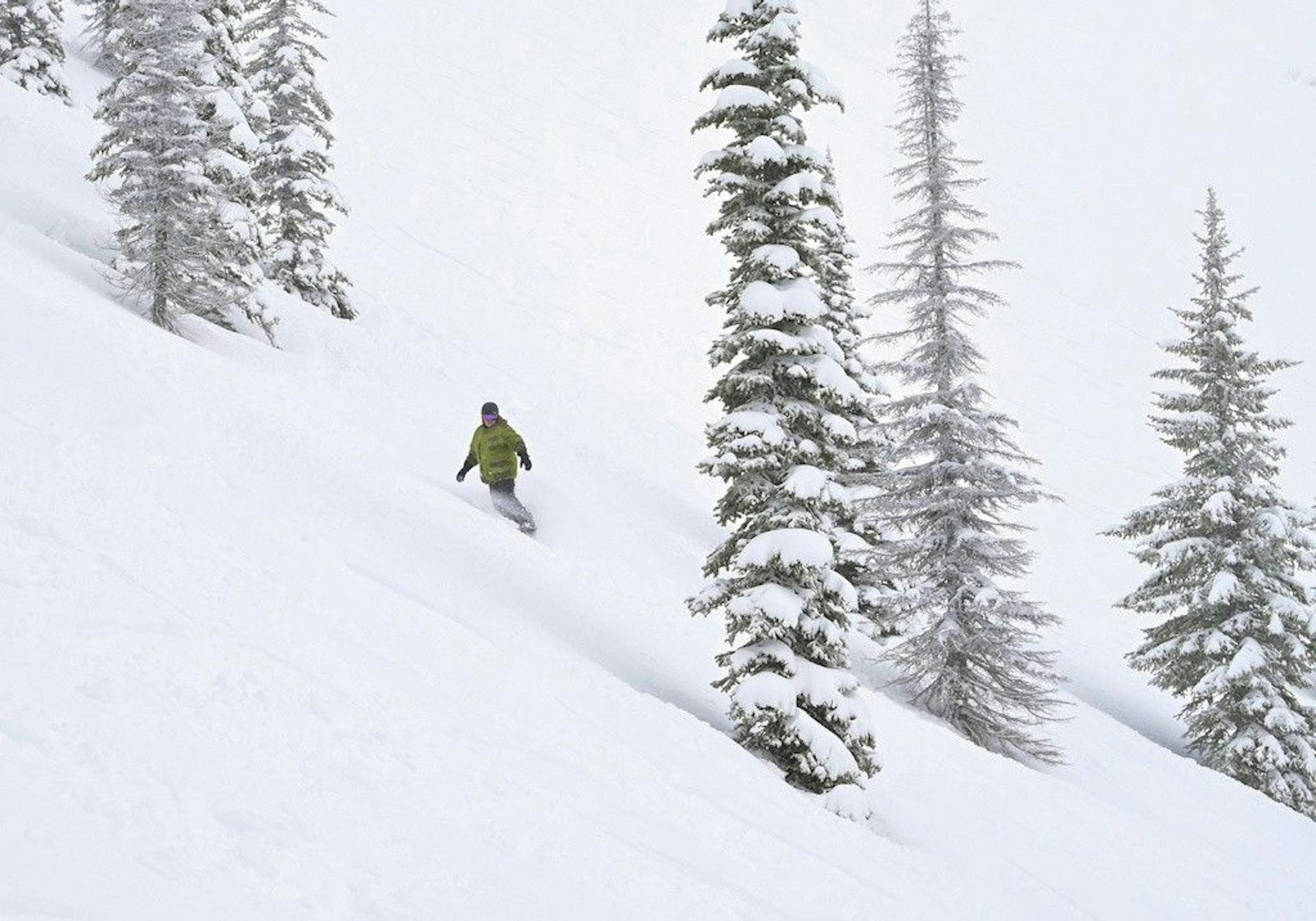
June 20 is suddenly the most important date on the ski calendar.
That sounds ridiculous, which is exactly why it is true.
In a normal year, mid-June is when North American ski coverage gets weird and quiet. A few summer operations keep spinning. Southern Hemisphere resorts start opening. Everyone pretends opening dates are facts instead of aspirations.
This year, June 20 is doing more work than that.
Banff Sunshine says its 2026 summer ski season starts June 20 and runs through July 5, thanks to a huge snow year in Alberta. Meanwhile, New Zealand's first real wave got delayed by a dry, mild start. The Remarkables now says it is targeting June 20. Cardrona moved opening day to June 20. Mt Hutt is still in delay mode, with June remaining the realistic target.
So the week ahead is not just "where is skiing open?"
It is a cleaner question:
Can winter prove itself by Saturday?
Banff Is the Weirdest Winner
Banff Sunshine is the North American plot twist.
Most of the continent is done. Mammoth wrapped its June extension. Timberline is doing the usual Mt. Hood summer thing. Beartooth is its own high-alpine category. But Banff Sunshine looked at mid-June and decided there was enough snow left to bring skiing back.
That is not normal.
The resort says summer skiing and riding will run for 16 days, from June 20 through July 5. The product is not the whole winter mountain. Sunshine has said the summer setup will focus on Strawberry and Standish, which makes this more of a compact encore than a full-season reboot.
Still: skiing in Banff National Park on the first day of astronomical summer is not a throwaway story.
It is a reminder that the 2025-26 season was not universally terrible. Colorado collapsed. Vail's Rockies had a brutal year. Tahoe struggled. New Zealand is late. But Alberta had enough snow to reopen after the normal season ended.
That is the whole climate and ski-business problem in miniature.
The industry keeps trying to talk about "the season" as if it is one shared thing. It is not. Winter is becoming regional, uneven, and rude. One market loses millions of skier visits. Another gets a bonus summer window. One operator sells pass renewals into disappointment. Another gets to sell the rarest product in skiing: a second opening day.
Banff is not proof that everything is fine.
It is proof that averages are getting less useful.
New Zealand Needs the Reset to Work
New Zealand is the more important test.
Last week was supposed to be the handoff from Northern Hemisphere leftovers to Southern Hemisphere winter. It did not happen cleanly. Mt Hutt, Cardrona, and The Remarkables all delayed after a mild, dry lead-in. Coronet Peak stayed in the story with snowmaking-backed beginner operations, but Queenstown was not suddenly firing.
Now the date is June 20.
The Remarkables' snow report is blunt: opening delayed until Saturday, June 20, with 0 of 7 lifts open and a 0-0cm snow base listed. Cardrona's report says winter "slept in" and moves opening day to Saturday, June 20. Mt Hutt is less tidy. Its report says opening is delayed and that June remains a realistic target, which is mountain-speak for "watch the weather, not the brochure."
That does not mean New Zealand is in trouble for the season.
It means early June is doing early June things.
The mistake is treating a scheduled opening date like a snowpack measurement. Resorts pick dates for staffing, marketing, passholder expectations, lodging calendars, and historical averages. The mountain then gets to embarrass everyone.
For SnowRadar, the useful signal this week is not whether New Zealand technically flips from closed to open. It is what kind of opening it gets.
There is a huge difference between:
- a ribbon of beginner terrain,
- a few groomers on man-made snow,
- enough natural base to start building confidence,
- and a proper early-season storm cycle that changes the month.
June 20 can be any of those.
That is why the next few days matter.
Australia Gets the Reality Check
Australia got the better first headline.
Opening weekend had fresh snow, cold windows, and enough energy to make the season feel real. Perisher, Thredbo, Hotham, Buller, Falls Creek, and others got moving while New Zealand was still waiting.
But early-season Australia always needs a second look.
The Guardian reported that the season began with 20 to 40 centimeters across parts of the Australian Alps, while also noting the long-term pressure from warmer winters and more expensive skiing. That is the Australian ski story in one sentence: real winter moments, fragile margins, and a business model trying to stretch those moments into a season.
This week, Australia is not trying to prove it can open.
It is trying to prove it can hold.
That means watching snowmaking nights, rain lines, terrain expansion, and whether the early base survives the first warm or wet interruptions. A good opening weekend can disappear fast if the follow-up pattern goes sloppy.
The better Australian resorts know this. They have invested heavily in snowmaking, grooming, beginner zones, events, and non-ski revenue because the natural-snow baseline is not generous. The product can still be fun. It can still be worth a trip. But it needs honest reading.
Opening is a headline.
Durability is the story.
The Calendar Is Lying Less Than It Used To
The lazy take is that opening delays are bad news.
Sometimes they are. Mostly they are useful honesty.
A delayed opening is less annoying than a fake opening. Nobody benefits when a resort spins one lift over brown edges and lets the marketing department pretend winter has arrived. A clear delay tells skiers the truth: the surface is not ready, the snowmaking window was not enough, and the next weather cycle matters.
That transparency is going to become more valuable.
Skiers are getting better at reading the difference between "open" and "good." They know screenshots can hide thin coverage. They know one cold night does not make a base. They know a passholder email can sound more optimistic than the webcam.
The smarter resorts are starting to speak that language too.
Coronet Peak's Snow Factory product is honest if you understand it: beginner snow, snow play, family product, early buzz. That is not the same thing as claiming the whole mountain is ready. Banff Sunshine's summer skiing is honest if you understand it: a rare limited-area bonus window, not a full winter replay. Cardrona and The Remarkables delaying to June 20 is honest if you understand it: better to wait than overpromise.
The ski calendar is not dead.
It just needs footnotes now.
What to Watch This Week
Banff Sunshine: June 20 is the opener. The question is how the resort packages the limited summer terrain, how strong the snow surface looks, and whether this becomes a one-off novelty or a bigger marketing win for Sunshine's 2026-27 pass push.
The Remarkables: June 20 is now the target. The key is whether snowmaking plus any natural snow can create enough terrain to make opening feel meaningful. The Doolans expansion story is still the long-term headline, but first the existing mountain needs winter.
Cardrona: Also targeting June 20. Cardrona matters because it is a major Wanaka anchor and because the Soho Basin era raises expectations. A delayed start is not a season verdict, but the reset needs to show progress.
Mt Hutt: Still the most interesting wild card. Hutt can go from bleak to excellent quickly when the weather cooperates, but it is also exposed and operationally dramatic. "June remains realistic" is worth watching closely.
Australia: Not opening hype anymore. Terrain count, snowmaking windows, and rain/snow lines matter more than pretty first-week photos.
North America: Timberline, Beartooth, and Banff are the remaining storylines. Banff is the one with the biggest surprise factor.
SnowRadar Take
June 20 is not magic.
It is a checkpoint.
Banff Sunshine gets to reopen because Alberta had the kind of snow year Colorado would have traded almost anything for. New Zealand gets a second chance because the first opening wave ran into a mild, dry reality check. Australia gets to prove that its promising start can survive past the first headline.
That is the modern ski calendar: less switch, more negotiation.
The old version was simple. North America ends, Southern Hemisphere starts, everyone updates the map.
The 2026 version is stranger and more honest. Winter lingers in Banff while it stalls in New Zealand. Australia opens first but still has to hold coverage. Resorts with snowmaking can create narrow early products. Resorts waiting on natural base have to delay. Skiers need to read status pages like forecasts, not promises.
So yes, this is a Week Ahead post about opening day.
But the real story is verification.
June 20 is when the calendar makes its claim.
The mountain still has to confirm it.
Tracking the moving target? Keep Southern Hemisphere Ski Watch, Ski This Week, and the SnowRadar forecast open. Opening dates are useful. Open terrain is better.