Week Ahead: Opening Day Is Over. Expansion Week Starts Now.
New Zealand finally has lifts spinning, Australia is staring at a rain-first storm, and the next useful metric is not who opened. It is who can add terrain.
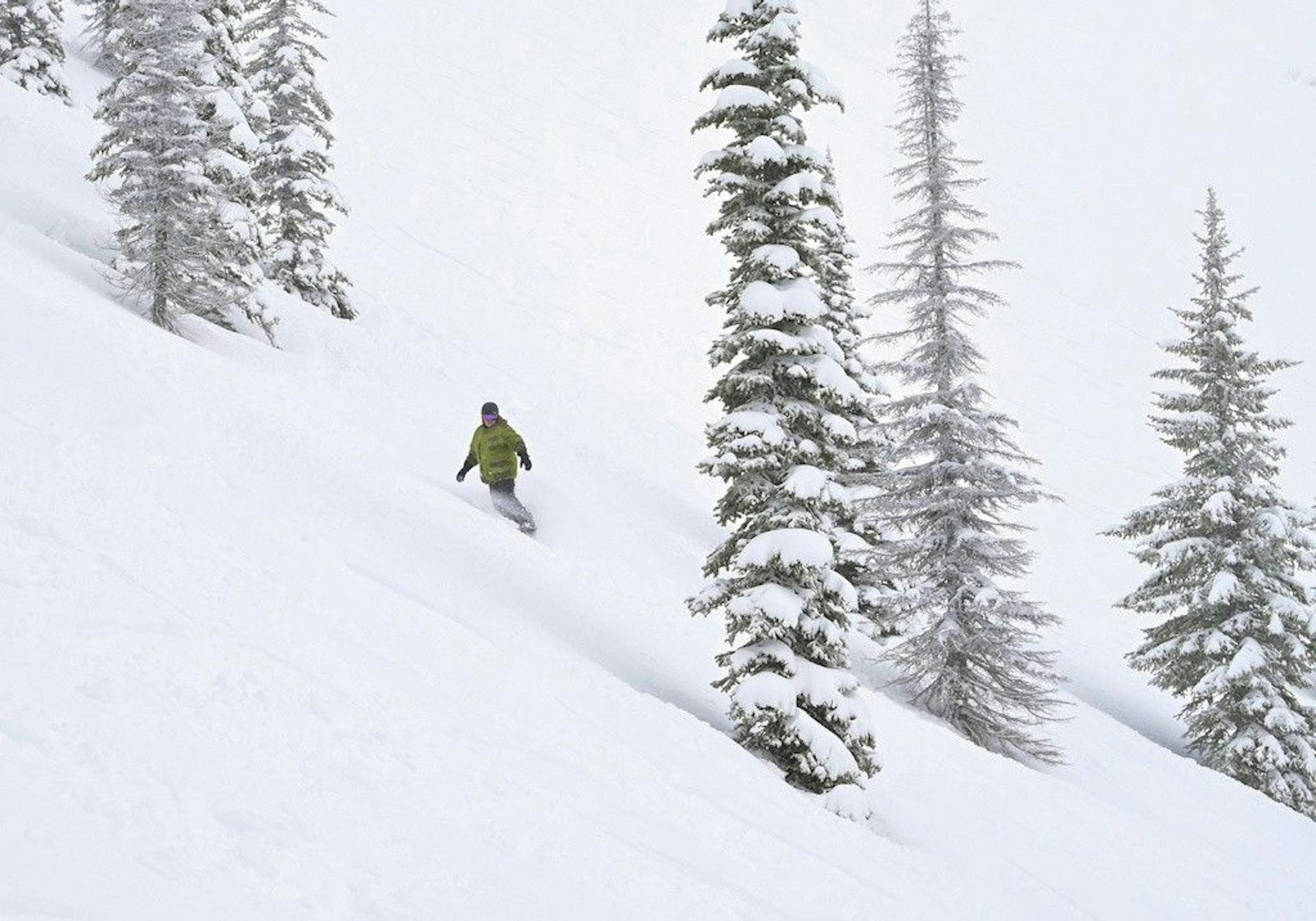
Opening day is no longer the story.
Good.
After three weeks of delay theater, New Zealand finally has a real operating map. Cardrona is open. The Remarkables is open. Mt Hutt got going. Coronet Peak kept its early-season product alive. The South Island is no longer just posting hopeful forecasts and apologetic updates.
But this week is where the marketing headline has to become a ski season.
The Remarkables' June 29 report is the cleanest example. The mountain is open, the road is open and chain-free, the beginner areas are open, and the resort lists 5 of 7 lifts open with a 20-70cm snow base. That is a huge shift from the 0cm-base reports that made mid-June feel like a bad joke.
The fine print is still loud. Off-piste is "stay on trail." Advanced, expert, and extreme terrain are closed. Sugar Chair is scheduled to spin Tuesday, June 30 for the first time this season, which is exactly the kind of incremental expansion that matters now.
Meanwhile, Cardrona's report lists Cardrona open and Treble Cone closed. In Australia, Perisher's June 29 report shows 5 expected lifts, 2 groomed runs, and 0cm natural depth. Thredbo is still mainly a Friday Flat product for skiers and riders, with Easy Does It Chairlift, Freddies Snow Runner, and Wombats Snow Runner expected.
So the Southern Hemisphere is open.
Now comes the harder question:
Open enough for what?
5/7
Remarkables lifts
20-70cm
Remarkables base
Open
Cardrona
0cm
Perisher natural depth
New Zealand Finally Has a Pulse
New Zealand did not fix June. It escaped it.
That is the distinction.
Mountainwatch's Monday forecast says the South Island's major ski fields finally kicked off their seasons Saturday after last week's storm, with the Southern Lakes picking up 10-15cm, Mt Hutt getting 10cm, Porters Pass getting 20cm, and Mt Lyford reporting 35cm.
Those are not huge totals.
They were enough.
More importantly, the cold that came with the storm let resorts stack man-made snow on top of the natural reset. That is the part casual skiers miss when they look only at the snowfall number. Ten centimeters on dirt is not a ski season. Ten centimeters plus cold nights, snow guns, grooming time, and a resort crew that knows exactly where to push the first lanes can become an operating foothold.
That is where New Zealand is now.
Not fully in. Not fake-open. Somewhere more interesting: operationally alive, but still fragile.
The Remarkables is the proof. A week ago, the report was basically empty. Today, the resort lists 5 of 7 lifts open, 2 of 2 beginner areas open, and 50% of terrain open, while still keeping the higher-consequence stuff closed. That is not a contradiction. It is what a responsible early-season expansion looks like.
Sugar Chair opening Tuesday matters because it moves the product beyond the first weekend. The question this week is whether that becomes a stable pattern: more chairs, more groomers, better distribution, and fewer "please be patient" updates.
That is the whole New Zealand story now.
Not "winter arrived."
"Can winter hold?"
Cardrona Is Open. Treble Cone Is Not.
Cardrona gets credit for getting open first in the latest wave.
But the Cardrona-Treble Cone split is useful because it keeps the hype honest. The same official snow-report page lists Cardrona open and Treble Cone closed. Same operator. Same region. Very different readiness.
That is early winter in one line.
Cardrona's current job is to grow from a first-slide product into something that makes sense for destination skiers. Treble Cone's current job is more basic: get enough base to open at all. Those are different operational problems, and lumping them into "Wanaka is open" does not help anyone planning a trip.
This is why the next week matters more than opening weekend did.
Opening weekend lets a resort say the season started. Expansion week tells you whether the mountain can actually absorb skiers, lessons, locals, weather, and school-holiday pressure without the product feeling tiny.
For Cardrona, the useful signals are simple:
- Do more lifts join the public report?
- Do park features survive the next freeze-thaw cycle?
- Does Treble Cone name a credible opening path?
- Do the updates shift from "limited opening" to normal operations language?
If yes, New Zealand's late June becomes a recoverable slow start.
If not, it stays a thin first chapter.
Mt Hutt Still Matters Most
Mt Hutt is the mountain to watch because Canterbury is where the next upside may be strongest.
Mountainwatch's New Zealand forecast says the South Island gets a settled spell through Friday, with strengthening northwest winds late in the week hinting at a much larger storm from Saturday, July 4 through roughly July 9 or 10. The messy part is obvious: heavy rain and strong northwest winds may arrive first, then the storm turns colder, with snow through Monday and more uncertainty after that.
That is not the clean powder forecast people want.
It is probably the forecast the season needs.
New Zealand does not need one pretty 8cm overnight update. It needs base-building. It needs storm energy. It needs enough cold behind the wet phase to turn a fragile opening map into a terrain-growth map.
Canterbury may do better in that setup than the Southern Lakes, especially if the colder phase lines up well. Mountainwatch specifically flags that Kiwi ski fields could get a solid dump, particularly Canterbury, while also warning that warmer temperatures could take some value off the top.
That is the honest read.
Big upside. Real rain risk. No victory lap yet.
Mt Hutt's role is bigger than one resort report because it usually anchors early-season confidence. When Mt Hutt is rolling, the New Zealand ski season feels less theoretical. When it is stalled or marginal, the whole South Island start feels shaky.
This week is a runway.
Next weekend is the test.
Australia Gets the Ugly Version First
Australia is doing the same early-season dance, but with worse music.
Perisher is open, yes. But its June 29 report lists 0cm in 24 hours, 0cm in seven days, 0cm natural depth, 5 expected lifts, and 2 groomed runs. That is not nothing. It is also not a destination product unless your expectations are narrow and beginner-focused.
Thredbo is similar. Friday Flat is open, Easy Does It is expected, and the resort is leaning into scenic access and non-skiing activities as part of the day. Again: useful, honest, limited.
The weather does not get easier immediately.
Mountainwatch's Australian forecast calls this "survival mode" until snow arrives Thursday-Friday. Warm, strong northerlies and rain are expected to hammer the Aussie Alps Monday through Wednesday, which is a brutal sentence when the existing snow cover is already thin. Then the storm turns colder, with snow reaching base levels overnight Friday and possible totals of 5-15cm lower down and 15-35cm on upper slopes.
That is a weird week to message.
Rain first. Wind first. Damage first.
Then maybe the first meaningful rebuilding storm of July.
This is why Australia is the warning label for every early-season ski trip. "Open" can mean a legitimate mountain day, or it can mean two groomers, conveyors, sightseeing, and a snowmaking crew doing excellent work under bad constraints.
The operators are not the problem.
The word "open" is.
Banff Is the Contrast
Banff Sunshine remains the strange counterexample.
While New Zealand and Australia are trying to build winter from scratch, Banff Sunshine is still selling summer skiing and riding through July 5. That does not mean Banff has solved climate variability. It means this particular mountain had enough leftover snow and operational clarity to sell a very specific product honestly.
That contrast is the whole ski industry right now.
One resort is skiing in July because the old season left enough behind.
Another resort is fighting to open beginner terrain because the new season started late.
Another is technically open with zero natural depth.
The calendar pretends these are all versions of the same thing.
They are not.
They are different products with different risk profiles, and skiers should treat them that way.
What to Watch This Week
Three signals matter.
First: terrain expansion in New Zealand. The Remarkables adding Sugar Chair is the right kind of movement. Cardrona needs the same kind of proof. Treble Cone needs a path. Mt Hutt needs enough stability to become an anchor rather than another delayed-start footnote.
Second: rain damage in Australia. Monday through Wednesday could make the already-thin cover look worse before the cold arrives. Perisher's 0cm natural depth number is not a throwaway stat. It means the storm's warm phase matters a lot.
Third: the July 4-10 New Zealand storm. If the cold side wins, this could be the base-building event that turns "we opened" into "we are expanding." If the warm side wins, it could be another frustrating round of wet upper-mountain math and cautious resort updates.
That is why this week is more interesting than opening weekend.
Opening weekend answers a yes-or-no question.
Expansion week answers the useful one.
SnowRadar Take
The Southern Hemisphere ski season finally has a pulse.
Not a full stride. A pulse.
New Zealand deserves the better headline because the last cold window actually changed operations. The Remarkables now has most lifts open, Cardrona is operating, Mt Hutt is moving, and the next forecast has real upside. That is progress.
Australia deserves the caveat because the current product is still extremely dependent on snowmaking and beginner terrain, and the week starts with rain before it has any chance to become helpful snow.
So here is the practical read:
If you are local, this is a good week to get moving, tune expectations, and watch daily reports.
If you are booking travel, do not buy the word "open" without checking lift count, terrain type, base depth, road status, and the next 72 hours of weather.
If you are chasing the first real Southern Hemisphere story of 2026, ignore the ceremony and watch the expansion.
Opening day is over.
Now the lift line has to prove it.
Tracking the Southern Hemisphere start? Keep Southern Hemisphere Ski Watch, Ski This Week, and the SnowRadar forecast open. Opening dates are intent. Terrain status is evidence.