Week Ahead: The Forecast Went Quiet. That Is the Test.
Australia has its best operating map of July, New Zealand finally looks like a real ski trip, and now the Southern Hemisphere season has to survive a mild, mostly dry week.
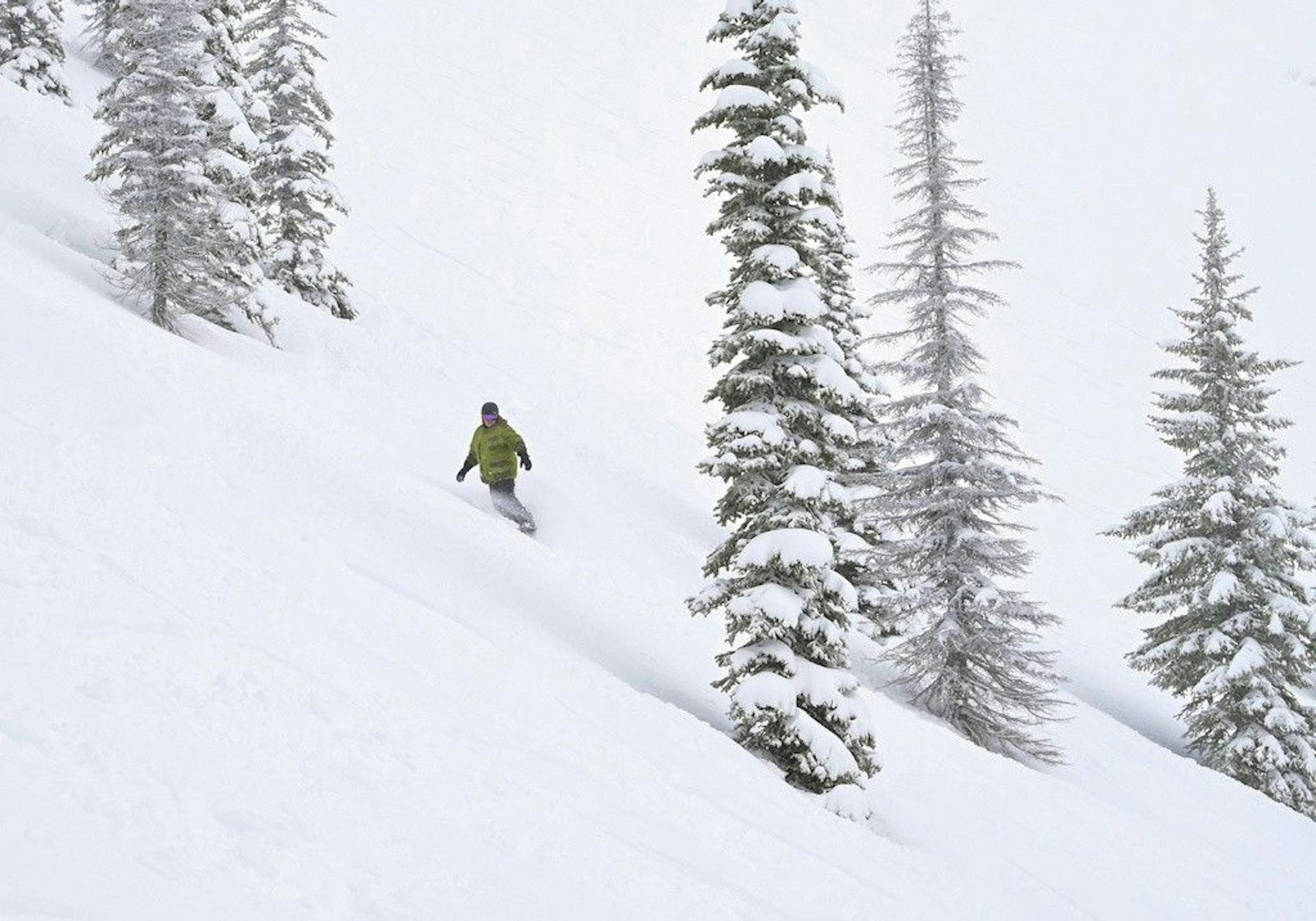
The storm cycle is over.
That does not mean the story is over.
If anything, this is the more revealing week. The Southern Hemisphere finally got enough snow to stop talking entirely in apologies. Perisher is scheduling real lift counts again. Thredbo has a serious upper-mountain slate. Hotham just got Heavenly Valley back into the conversation. The Remarkables is running all seven lifts. Cardrona and Treble Cone are both open.
Now the weather has stopped helping.
That is the test.
Perisher's July 20 report has 29 lifts scheduled, 36 groomed runs, all three listed resort areas open, 70.8cm of natural depth, and only 8cm in the last seven days. The mountain is not being reset by new snow anymore. It is being judged by operations.
The Remarkables has the cleanest New Zealand headline: 7 of 7 lifts open, 2 of 2 beginner areas open, a 15-80cm groomed-trail base, and 27cm in the last seven days. It also still says the off-piste call is simple: stay on trail.
Those two reports are the whole week in miniature.
The resorts have enough snow to operate.
They do not have enough snow to get sloppy.
29
Perisher scheduled lifts
36
Perisher groomed runs
7/7
Remarkables lifts open
29cm
Remarkables 7-day forecast
Australia Has Moved From Rescue to Preservation
Australia finally has a better problem.
Two weeks ago, the question was whether the July rescue storm would turn into enough terrain to absorb school-holiday pressure. Last Friday, the answer started to look like yes. This Monday, the question is different:
Can the resorts keep the product together without a meaningful refill?
Mountainwatch's July 20 snow report page reads like a spring-skiing note wearing a midwinter calendar costume. Perisher was clear and mild, Thredbo had a cold clear village morning, Falls Creek was sitting in mild temperatures, and Charlotte Pass was calling it spring-like. The same page's seven-day snow table had only small Australian totals showing, while the bigger numbers were in New Zealand and Ruapehu.
That is not a disaster.
It is a pivot.
The best Australian ski days this week are probably not powder days. They are groomer-timing days. Firm early. Sunny aspects softening. Lift reports matter more than storm totals. Road updates matter more than Instagram. The right skier can have a good week. The wrong expectation will make it feel worse than it is.
The subtle win is that the operating map is no longer embarrassing.
Perisher is the obvious leader because it has size, snowmaking, and enough open terrain to spread demand. A 70.8cm natural depth is not a huge Australian midwinter base, but after the start this season had, it is the first stable platform the resort has had in July. The important line in Monday's report is not the 0cm in 24 hours. It is 29 lifts and 36 groomed runs.
That means the storm converted.
Not perfectly. Not permanently. But enough.
Perisher Is the Benchmark Now
Perisher's Monday setup is the measuring stick for Australia because it answers the question every resort has been dodging since opening weekend:
Can you make the mountain feel bigger than the queue?
The July 20 report lists Perisher Valley, Smiggin Holes, and Blue Cow as open areas, with Guthega Road also open to Guthega. It calls for a mostly sunny day, a top of 10C, and light westerly winds. That is not storm-day chaos. That is operating weather.
For normal guests, this is better.
The storm days got the headlines. The sunny operational days decide whether families, intermediates, and once-a-year skiers come home saying the season recovered or saying they paid a fortune for ice and crowds.
Perisher also has events doing some of the heavy lifting this week: demo days, live music, station gigs, and Christmas in July. That matters because when the forecast is quiet, resorts need the day to feel like a trip instead of a snow-depth audit.
The warning is obvious: if temperatures keep leaning mild and natural snow stays quiet, the base becomes a bank account. Every sunny afternoon spends a little. Every snowmaking window deposits a little. Perisher has enough money in the account to run the week. It does not have enough to ignore the balance.
That is the Australia story now.
Thredbo Has the Better Shape, But Less Margin
Thredbo's report is more interesting than a simple lift count.
The July 20 Thredbo report expected Karels T-Bar, Basin T-Bar, Snowgums, Antons, Merritts Gondola, Kosciuszko, Gunbarrel, Cruiser, and beginner lifts to operate. That is a serious slate. It means the mountain is no longer selling a tiny early-season sample.
But Thredbo is always about shape.
When Thredbo is good, it skis like one big vertical story. When coverage is thin or connections are awkward, the mountain can feel more complicated than the lift list suggests. That is why this week matters. The forecast is mostly about sun, cloud, wind, and mild air. The resort needs the upper-mountain product to remain useful while lower connections avoid turning into caveat soup.
The upside is clear: Thredbo can offer a much more compelling trip than it could in late June.
The caution is just as clear: this is still a thin-base July, and the best skiing will likely be groomed, timed, and condition-specific.
That is not a reason to stay home.
It is a reason to ski like an adult.
Hotham Is the Honest Fine Print
Hotham might have the most useful report in Australia because it refuses to pretend the mountain is fixed.
The July 20 Hotham report says Heavenly Valley was expected to open after final checks, which is a real operational step forward. Heavenly matters. It changes the way Hotham skis and gives advanced skiers something more substantial than groomer laps.
Then the report does the thing good snow reports should do:
It warns people.
Hotham says Heavenly's cover is marginal, shaded aspects may stay icy all day, and the terrain is suitable for advanced and expert skiers only. The Extreme Area remains closed because of an extreme ice hazard. The backcountry report is even blunter: significant sliding hazard, thin cover, and icy shaded or south-facing slopes.
That is not negative coverage.
That is useful coverage.
Australia's July storm improved the resorts. It did not erase every rock, ice sheet, creek, wind slab, and bad decision. Hotham is making the right call by putting the warning where people can see it.
For this week, Hotham is the reminder that "more open" does not automatically mean "easy."
Falls Creek Is a Road and Capacity Watch
Falls Creek has been the quiet middle child of this recovery: not the giant Perisher story, not the iconic Thredbo vertical story, not the spicy Hotham fine-print story.
That may make it more important.
The July 20 Mountainwatch summary had Falls Creek in the same clear, mild pattern as the rest of the Australian resorts. Falls Creek's own road report had the Mt Beauty approach open with icy patches, chains required to be carried, partial ski-in/ski-out in the village, and the Omeo approach closed.
That is the kind of detail that should shape the week.
Not because it is dramatic. Because it is practical.
When snow is scarce, getting to the mountain smoothly matters more. When the weather is mild, morning timing matters more. When terrain is still building, capacity matters more.
Falls Creek does not need to win the week on storm totals. It needs to keep adding reliability: lifts, grooming, village movement, access, and honest reporting.
New Zealand Has the Cleaner Ski Trip
New Zealand has a better overall travel story right now.
Not a perfect one. A cleaner one.
The Remarkables is the headline because 7 of 7 lifts open is easy to understand. The mountain has a 15-80cm base on main groomed trails, all beginner areas open, an open road, and a 27cm seven-day total. The forecast is cold enough on the three-day outlook to keep things useful, and the mountain's own report sounds like a groomer-first day rather than a powder fantasy.
That is fine.
Groomer-first is a very respectable place for this season to be after the mess of June.
The big caveat is the same one The Remarkables is already stating: stay on trail. That phrase does a lot of work. It means the lift count is better than the snowpack maturity. It means the resort can run, teach, groom, and entertain, but the freeride version of the season is not fully here yet.
That distinction matters for trip planning.
If you want an actual ski vacation with dependable lifts and scenery, Queenstown finally has a credible case. If you want deep off-piste, big advanced terrain, and no fine print, the season is still asking for patience.
Cardrona and Treble Cone Changed the Wanaka Math
The Wanaka story keeps getting better because it is no longer one-dimensional.
Cardrona and Treble Cone's shared snow report lists both mountains in the live snow-report environment, and that matters more than it sounds. Cardrona can carry a region through ugly starts because it has snowmaking, scale, and a more forgiving terrain profile. Treble Cone is different. It needs natural snow to make sense.
When Treble Cone joins the conversation, Wanaka stops feeling like a fallback and starts feeling like a ski trip again.
That does not mean Treble Cone should be oversold. It is exactly the kind of mountain where thin coverage and early-season off-piste temptation can create bad choices. But its availability changes the itinerary math: two mountains, two aspects, two personalities, more ways to salvage weather.
That is the quiet travel win of the week.
The Cost Story Is Not Going Away
There is one non-weather story worth folding into the week ahead: Australia is not just fighting snow reliability. It is fighting price fatigue.
The Guardian's July 18 piece on the rising cost of Australian ski resorts landed at exactly the right moment. It pointed at the obvious pain points: lift tickets pushing into the A$180-A$220 range, expensive lodging, stricter camping options, climate pressure, and the growing temptation for Australians to spend ski money in New Zealand or Japan instead.
That is not separate from the forecast.
It is the forecast's business context.
When snow is deep and widespread, people grumble and still go. When June is ugly, July is thin, and the best week of the season is a groomer-preservation week, every dollar gets judged harder.
This is why Australia's next two weeks are bigger than snow reports. Resorts are trying to rebuild confidence while charging premium prices for a product that still needs daily explanation.
That is a hard sell.
It is not impossible. But it requires honesty.
What to Watch This Week
Watch Perisher's lift count, not its snowfall total. If the resort can keep something close to 29 lifts and 36 groomed runs through the mild stretch, it owns the Australian recovery story.
Watch Thredbo's upper-mountain continuity. The lift slate is strong now, but the quality of the connections and the daily surface will decide how big the mountain feels.
Watch Hotham's Heavenly Valley status. Opening Heavenly is meaningful. Keeping people out of marginal, icy, closed terrain is equally meaningful.
Watch Falls Creek roads and village movement. Icy patches, chain rules, and partial ski-in/ski-out are not small details when the week is more about logistics than snowfall.
Watch The Remarkables because 7 of 7 lifts open is the cleanest Southern Hemisphere signal right now. Then read the off-piste warning before getting too excited.
Watch Cardrona and Treble Cone because the two-mountain Wanaka pitch is finally back on the table.
And watch the New Zealand forecast table. Mountainwatch had The Remarkables at 29cm over seven days, Treble Cone at 20cm, Cardrona at 13cm, and Mt Hutt at 10cm as of Monday. That is not a mega-storm. It is enough to keep New Zealand interesting while Australia mostly tries to preserve what it has.
SnowRadar Take
This is the first week of the Southern Hemisphere season where the question is not "did winter arrive?"
It did.
Late, unevenly, and with plenty of fine print. But it arrived.
The better question now is whether resorts can turn arrival into reliability.
Australia's best case is Perisher holding a broad operating map while Thredbo and Falls Creek keep enough terrain open to make trips feel worthwhile. Hotham's best case is careful expansion without pretending advanced, icy, marginal cover is normal midwinter skiing.
New Zealand's best case is simpler: keep the Queenstown/Wanaka map clean, let The Remarkables consolidate its 7-of-7 lift status, and let Cardrona plus Treble Cone rebuild traveler confidence one decent day at a time.
There is no giant powder promise this week.
Good.
The season does not need another promise.
It needs proof.
Use SnowRadar's forecast tools, check Ski This Week, and judge the next few days by lift reliability, road status, groomed terrain, and whether the mountains keep telling the truth.