Week Ahead: Winter Just Crossed the Equator
Australia opened on fresh snow, New Zealand's first real wave lands this week, The Remarkables wants to become the country's biggest ski area, and Park City is suddenly a boardroom fight again.
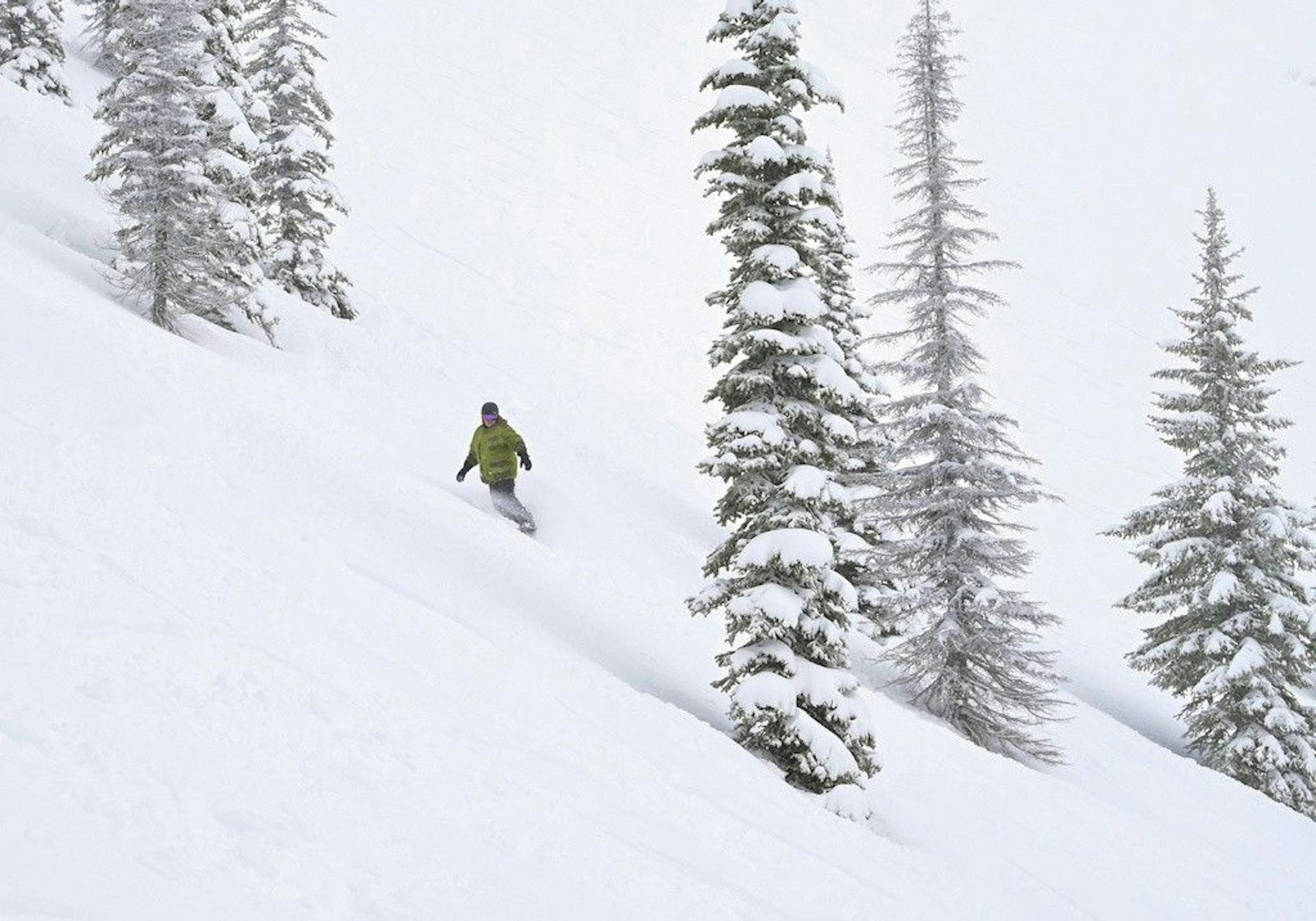
The ski map flipped this weekend.
North America is down to its summer weirdness: Timberline doing the Mt. Hood thing, Beartooth doing the high-pass thing, and Banff Sunshine waiting for its June 20 encore. Mammoth's conventional extension is over. The Lower 48 is no longer the center of the story.
Australia, meanwhile, just opened.
Australasian Leisure Management reported that Australia's 2026 snow season kicked off over the King's Birthday long weekend with 20 to 40 centimeters of fresh snow in some high areas. Perisher, Thredbo, Falls Creek, Mount Hotham, Mount Buller, and Corin Forest all opened, while Charlotte Pass and Selwyn are scheduled later in June.
That does not mean Australia is suddenly waist-deep. Opening weekend in the Australian Alps can be more ceremony than skiing. But this year it at least started with actual snow on the ground, which is more than a lot of western U.S. resorts managed when they were supposed to be in midseason form.
And New Zealand is next.
Australia Got the First Punch
The smart reaction to Australian opening weekend is somewhere between "nice start" and "do not get carried away."
Fresh snow across the alpine resorts is real. Snowmaking helped. Most major resorts had enough coverage to sell at least some skiing and riding from opening weekend. After a North American season defined by missed storms, warm spells, and delayed reality checks, there is something satisfying about seeing winter arrive on schedule somewhere.
But Australia is still Australia.
Early June is not peak Thredbo. Perisher in opening-week mode is not late-July Perisher. Falls Creek looking lively on social media does not mean the whole trail map is ready. The useful signal is not "book blindly." It is that the Southern Hemisphere season has started with enough weather support to be worth watching.
That matters for SnowRadar because June coverage needs honesty. We are not trying to pretend every open lift is a destination trip. We are trying to figure out where winter has actual momentum.
This week, Australia has it.
The bigger question is whether the early cover survives the next warm pulse, whether snowmaking windows keep lining up, and whether the mid-June storm pattern adds depth instead of just atmosphere. For now, Australia gets the first punch.
New Zealand Gets the Real Handoff
If Australia got opening weekend, New Zealand gets the real handoff.
Coronet Peak has already been running early-winter snow play from May 29 through June 12, powered by its new Snow Factory. That is a very specific product: beginner laps, snow play, Magic Carpet energy, and sightseeing. Useful, fun, and not the same as a fully open ski area.
The real New Zealand wave starts now.
Destination Queenstown's 2026 winter guide lists Coronet Peak's full season beginning June 12, The Remarkables targeting June 13, Cardrona targeting June 13, and Treble Cone coming later on June 27. Mt Hutt is also targeting June 12.
That makes this the first true Southern Hemisphere watch week.
Not because every mountain will be amazing on day one. They will not. Early-season New Zealand can be scratchy, windy, icy, stormy, delayed, or all of the above before lunch. But the calendar is finally moving from novelty to operating season.
Queenstown and Wanaka are the places to watch first. Coronet has the early snowmaking story. The Remarkables has the bigger infrastructure story. Cardrona has the scale story after Soho Basin. Treble Cone is the one you wait for if you care more about terrain than ceremony.
Mt Hutt is the Canterbury wild card, and usually the one that makes you check wind holds before making grand statements.
Different mountains. Different risk profiles. Same basic point: winter has crossed the equator.
The Remarkables Wants the Crown
The most interesting New Zealand story this week is not just opening dates. It is ambition.
The Remarkables has published details of its proposed Doolans Basin expansion, and the numbers are not small:
- 262 hectares of new skiable terrain
- 711 total skiable hectares if approved
- A 2.7-kilometer gondola linking Rastus Burn to Doolans Basin
- Daily capacity rising to 6,000 guests
- Construction potentially starting in November 2026 over several summer seasons
The pitch is straightforward: add a whole new valley, make The Remarkables New Zealand's biggest ski area, and push into higher, south-facing terrain that should hold snow better as weather gets less predictable.
That last part is the real sentence.
Every resort expansion now has a climate subtext. Sometimes it is explicit, sometimes it is buried under renderings and capacity charts, but it is always there. Resorts are looking for higher elevation, better aspect, more snowmaking, more reliable beginner terrain, and more ways to spread skiers out when the lower mountain gets ugly.
Doolans is not just a bigger-is-better project. It is a bet that the future of Southern Hemisphere skiing belongs to mountains that can move people into better snow more efficiently.
The approval process still matters. Conservation land, access, visual impact, construction footprint, water, buses, car parks, all of it. This is not a done deal. But it is a major signal that New Zealand's ski industry is not just opening for winter. It is trying to redraw the map.
Park City Is the Other Kind of Weather
While winter moved south, Park City got hit by a different storm.
The Colorado Sun reported that Cloudflare co-founder Matthew Prince is again pushing Vail Resorts to sell him Park City Mountain Resort. Prince is promising a $500 million investment and arguing that Vail should move toward an "asset-light" model where it sells underlying resorts but keeps Epic Pass relationships.
Vail's answer, through CEO Rob Katz, is basically: no.
This is not a snow forecast, but it is absolutely a week-ahead ski story. Park City is the largest ski area in the U.S., one of Vail's flagship assets, and a pressure point in the growing fight over whether mega-pass companies should own mountains, sell access, or do both.
Prince's argument is that Vail's resort portfolio is worth more broken apart than the stock market gives the company credit for. Vail's argument is that scale creates stability and individual resorts going alone is not the best answer.
Both sides are talking their book.
But the reason this story has bite is that Park City locals have spent years watching fights over patroller pay, parking, lift upgrades, town trust, and the feeling that a famous mountain has become a line item inside a public company. When a local billionaire says he wants the town to own part of the resort, people listen even if they do not fully trust the billionaire either.
The ski industry has two weather systems right now.
One is literal: warm winters, regional winners and losers, snowmaking arms races, and a ski calendar that keeps getting stranger.
The other is financial: pass consolidation, softening visitation, frustrated locals, activist pressure, and investors asking whether mountain ownership is still the right business.
Park City is where those systems collide.
The Week Ahead Watchlist
Here is the clean version:
Best live Southern Hemisphere story: Australia opened with a real early-season snow boost. Watch Perisher, Thredbo, Falls Creek, Hotham, and Buller for terrain expansion.
Best opening-week target: New Zealand from June 12-13. Coronet, Mt Hutt, The Remarkables, and Cardrona are the first real wave.
Best infrastructure story: The Remarkables' Doolans proposal. If approved, this is a major New Zealand ski map change, not a routine lift swap.
Best North American oddity: Banff Sunshine's June 20-July 5 summer skiing window. It is still the strangest encore on the continent.
Best business drama: Park City. Vail says no sale. Prince says the pressure is building. The town is stuck in the middle.
Best SnowRadar use case: Do not plan off opening dates alone. Watch terrain status, freezing levels, model agreement, and whether the first storm cycle adds durable base or just pretty photos.
SnowRadar Take
This is the first week where June stops feeling like an ending.
Last week was a handoff. Mammoth finished its extension, Banff Sunshine announced the weirdest North American encore, and New Zealand was warming up around the edges.
This week, the handoff is real.
Australia is open. New Zealand opens in force. The Remarkables is trying to become New Zealand's biggest ski area. Park City is showing why the future of skiing is not just a climate story or a business story, but both at once.
The lazy version is "winter is back."
The honest version is better: winter is fragmented, mobile, and uneven. It shows up in Australia with 20 to 40 centimeters. It shows up in Queenstown as snowmaking-backed beginner laps before the full mountain opens. It shows up in Banff as summer skiing. It shows up in Park City as a fight over who should own the mountain when the old model starts looking tired.
That is the 2026 ski calendar now.
Not a season.
A moving target.
Planning around the new calendar? Keep Southern Hemisphere Ski Watch, Ski This Week, and the SnowRadar forecast open. June is officially worth refreshing again.
Related Resorts
Park City
7,300 acres and you can be there from the airport before your boots warm up.
Vail
5,317 acres of back bowls, groomers, and reasons to call in sick.
Revelstoke Mountain Resort
5,620 feet of vertical. The most of any resort in North America. Not even close.
Alyeska Resort
60 miles from Anchorage, 4,000 feet of vertical, and bears on the golf course in summer.