Colorado Just Lost 3.4 Million Ski Visits
The official postmortem is here: Colorado ski areas fell 24% in 2025-26, the steepest visitation collapse in decades. This is what a bad snow year looks like after the receipts come in.
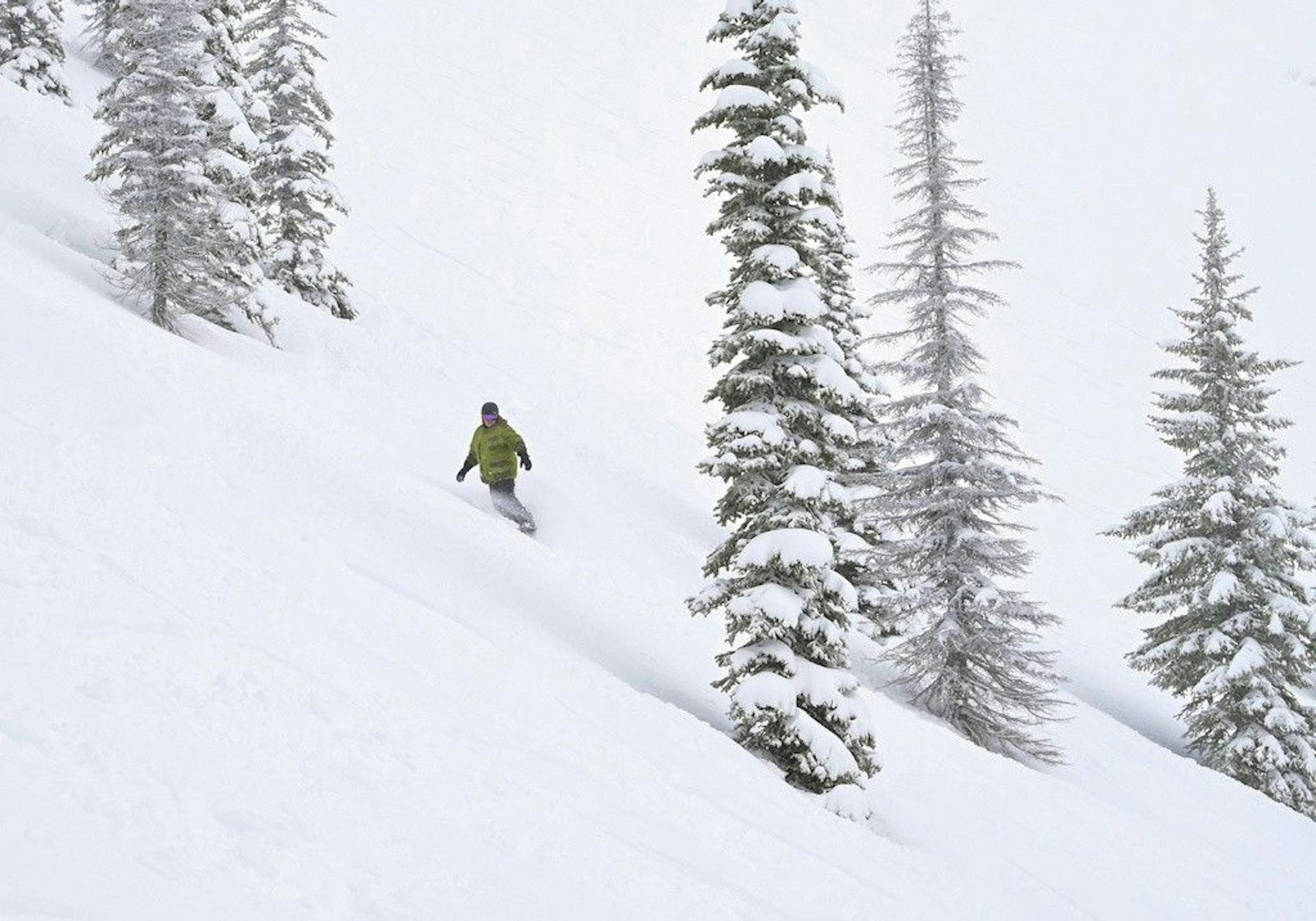
Now we have the number.
Colorado ski areas logged 10.5 million visits in 2025-26, down from 13.9 million the previous winter. That is a 24% drop, a 3.4-million-visit hole, and the lowest statewide total since 1991-92, according to The Colorado Sun's new report.
That is not a soft season.
That is the kind of season that makes every "skiing is recession-proof" take look like it was written from a conference room with no windows.
Colorado did not just miss a record. It fell off the record-setting table. After four straight years of huge visitation, the state's 26 ski hills posted the steepest annual decline in more than 40 years, short of the truly infamous pre-modern-snowmaking disasters.
The 2025-26 winter already looked ugly from the chairlift. Now it looks worse in the spreadsheet.
The Season Did Not Quietly Underperform
There are bad winters where resorts grumble, discount a few late-season rooms, and move on.
This was not that.
The Colorado Sun's figures put a hard edge on what skiers already felt all winter: warm storms, bare lower-mountain zones, late terrain openings, early closures, and a general sense that the mountain was asking everyone to stop pretending.
The state had been on a heater. Colorado recorded four consecutive seasons of record visitation after 2021-22, including an all-time high of 14.8 million visits in 2022-23. Then 2025-26 arrived and ripped 3.4 million visits out of the machine.
That matters because ski resorts are not just selling lift rides. They are pulling people into towns, hotels, rentals, restaurants, shuttle services, grocery stores, tune shops, ski schools, bars, parking lots, and every small business that depends on winter traffic.
When the skiers do not show up, the whole valley feels it.
The Colorado Sun also tracked taxable spending across 18 high-country communities and found December-through-February spending slipped to $2.82 billion from $2.93 billion the year before. Strip out the pandemic season, and that is the first annual winter spending decline in more than a decade.
That is the part the pass model cannot fully hide.
Pass revenue can smooth the resort operator's income statement. It cannot make a family drive I-70 for a brown mountain. It cannot make a tourist book a second dinner. It cannot make a half-open resort feel like a vacation worth repeating.
Vail Already Warned Us
This did not come out of nowhere.
In April, Vail Resorts reported that North American skier visits were down 14.9% season-to-date, with the biggest hit in the Rockies, where visitation fell 25%. Lift revenue was down 5.6%, ski school revenue fell 12%, dining dropped 11.7%, and retail/rental slipped 6.6%.
CEO Rob Katz called 2025-26 one of the most challenging winters in history across the western U.S., with record-low snowfall and historically warm temperatures hammering visitation and spending.
That was the corporate preview.
Colorado's statewide number is the public autopsy.
And honestly, the Colorado number feels more damning because it is not just Vail. It is the whole state. Independent hills, destination resorts, Front Range day-trip magnets, high-end valleys, locals' mountains, all of it rolled into one ugly total.
The pass era was supposed to reduce volatility. In one narrow sense, it does. Resorts can collect money before the snow falls. That is useful. It is why Vail's lift revenue did not fall as hard as visits.
But the mountain still has to be good enough for people to use what they bought.
When it is not, you get the second-order problem: fewer lessons, fewer lunches, fewer rentals, fewer hotel nights, fewer return trips, fewer pass renewals, and a lot more skiers asking whether next year's price makes sense.
Nationally, Colorado Was Not Alone
The National Ski Areas Association's 2025-26 visitor data already told us the U.S. season was bad. The country logged about 52.6 million ski and snowboard visits, down from 61.6 million in 2024-25.
That is roughly 9 million visits gone nationally.
The Rocky Mountain region took the biggest regional hit, falling to 20.1 million visits from 26.5 million the previous season. That region includes more than Colorado, but Colorado is the emotional center of the story because it is the country's ski-business bellwether. When Colorado coughs, the industry starts checking its oxygen levels.
The weird part is that the pain was not universal.
The Northeast held up better. Quebec had a strong season. The Canadian Rockies had the kind of year that makes U.S. resorts look like they were operating in a different climate zone. Banff Sunshine had enough snow to reopen for summer skiing. The Big 3 around Banff and Lake Louise reportedly saw American skier visits jump 50%.
That is the 2025-26 season in one sentence:
Colorado lost 3.4 million visits while Banff found enough snow to sell June laps.
Not fair. Very real.
The I-70 Signal
The tunnel numbers might be the most human data point in the whole story.
The Colorado Sun reported that December-through-April vehicle traffic through the Eisenhower-Johnson tunnels fell to 4.89 million vehicles. Excluding the pandemic-shortened 2019-20 season, that is the lowest ski-season tunnel traffic since 2014-15.
That is not just an industry metric. That is behavior.
People looked at the forecast, looked at the webcams, looked at lodging prices, looked at traffic, and decided to do something else.
That is the risk for Colorado.
Not one bad year. Bad years happen. Resorts survived 1977, 1981, 2011-12, and plenty of other grim winters.
The bigger risk is that skiers get trained out of automatic habits.
If you are a Front Range skier and you spend a winter skipping weekends because the snow is bad, the drive is annoying, and the price still feels high, maybe the next pass deadline feels less urgent. If you are a destination skier and Banff, Japan, Europe, or New Zealand looks more reliable, maybe Colorado becomes one option instead of the default.
The ski industry likes to talk about loyalty.
Snow talks louder.
This Is Why Forecast Tools Matter
For SnowRadar, this is exactly why the generic "where should I ski?" answer is getting less useful.
The average winter is becoming a worse planning tool. The spread matters more. One region misses. Another region wins. One resort closes on dirt. Another delays hiking because the snowpack is too deep. One model sees a storm. Another loses it by the next run.
That is not just climate talk. It is trip planning.
If you are spending real money on lodging, flights, passes, lessons, or PTO, you need better signals than a resort's annual snowfall average and a brand video shot in February 2023.
You need:
- Actual operating terrain
- Multi-model forecasts
- Elevation and freezing-level context
- Recent storm verification
- Regional comparison
- A willingness to change plans when the mountain is telling the truth
The 2025-26 Colorado season punished anyone who relied on reputation alone.
It rewarded people who watched conditions, chased the few real storm windows, and did not assume the old map still worked.
The Southern Hemisphere Gets the Next Shot
The timing of this report is almost too neat.
Colorado's postmortem lands while North America is shrinking down to summer oddities and the Southern Hemisphere is waking up. Coronet Peak started early-winter operations on May 29, with full operations scheduled June 13. Mt Hutt is targeting June 12. Cardrona and The Remarkables are aiming for June 13, and Treble Cone follows later in June.
That does not mean everyone should panic-book Queenstown.
Early June in New Zealand is still early June. Snowmaking matters. Terrain can be limited. The first week of a season is not automatically a powder trip.
But symbolically, it works.
Colorado just posted one of its worst modern traffic collapses. Canada stole the late-spring flex. New Zealand gets the next real winter watch. The ski calendar did not end. It moved.
SnowRadar Take
The 24% Colorado drop is not just a bad-season stat. It is a warning shot.
The pass model can protect revenue better than the old walk-up-ticket model. Snowmaking can protect openings better than it could in 1981. High-elevation resorts can stretch weak winters longer than low-elevation ones. Operators are not helpless.
But none of that changes the basic truth:
If the snow fails, skiers notice.
They notice in visitation. They notice in tunnel traffic. They notice in ski school, dining, lodging, rentals, and pass renewals. They notice when Colorado feels worse than Quebec. They notice when Banff is reopening in June while their favorite Colorado hill closed early.
This is the season where the receipts caught up with the vibes.
The industry will talk about resilience. It should. The mountains are not dead, and next winter could rebound.
But Colorado's 2025-26 number is too big to smooth over.
3.4 million missing visits is not a rounding error.
It is a reminder that winter still runs the business.
Planning around a weirder ski calendar? Watch SnowRadar Forecast, compare model runs before committing, and keep Southern Hemisphere Ski Watch open as New Zealand takes its turn.
Related Resorts
Mammoth Mountain
Built on a volcano. Open 'til summer. California's snow magnet.
Vail
5,317 acres of back bowls, groomers, and reasons to call in sick.
Red Mountain
7,600-foot summit, $80 lift tickets, zero people who drove here to see and be seen.
Revelstoke Mountain Resort
5,620 feet of vertical. The most of any resort in North America. Not even close.